Hey there, let’s cut to the chase: when someone talks about specialty cables, you might be picturing the same old thick copper wires you use for your office network or the basic cords that power your home appliances—but trust me, there’s way more to it than that. I’ve been working as a specialty cables supplier for over a decade, and every week I get questions like, “Wait, aren’t all cables just cables?” Nope. Not by a long shot. Specialty Cables
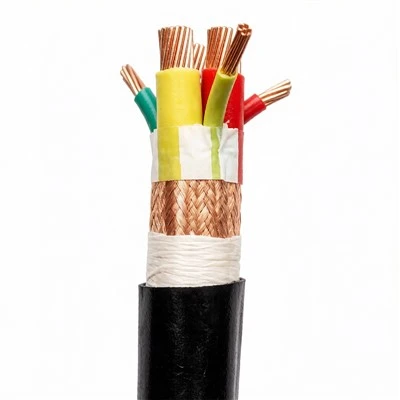
Let’s start with the basics. Your average home Ethernet cable? That’s a generic cable. Your standard power cord for your laptop? Generic too. Specialty cables are the ones built for specific, tough jobs where generic cables would break, or not work at all. They’re engineered to handle extreme conditions, transfer specific types of data or power that regular cables can’t, or fit into tiny, weird spaces that off-the-shelf cables can’t squeeze into. Think of it like this: a generic hammer is great for hanging pictures, but a specialty sledgehammer is for driving fence posts, and a tiny tack hammer is for delicate trim—same core tool, totally different purpose.
Let’s break down the key types because that’s where most people get confused. First up: industrial specialty cables. If you’ve ever walked through a manufacturing plant, you’ve seen these. The factory floor has machinery that shakes so hard it could rattle a bolt loose, temperatures that swing from near-freezer cold to stuffy summer heat, and sometimes even oil or chemicals splashing around. Regular cables would fray, crack, or short out in minutes here. Industrial specialty cables are built with extra-rugged outer jackets—usually things like polyurethane or neoprene instead of plain PVC that splits easily. They’re also tested for resistance to abrasion, moisture, and chemicals. For example, a conveyor belt system in a car factory uses these cables to sync up the robots that weld car frames—if that cable failed mid-shift, the whole line shuts down, costing thousands in downtime. I once had a client who runs a steel mill tell me their old generic cables would last 3 weeks; switching to our industrial specialty cables? They go 2 years. Game changer.
Next, there’s marine and aerospace specialty cables. These take the “tough job” bar and raise it 100x. For marine cables, you’re dealing with saltwater—salt is the worst enemy of any metal, right? It causes corrosion faster than almost anything. So marine specialty cables have tinned copper conductors (tin acts as a barrier against salt) and extra-tough cross-linked polyethylene jackets that won’t break down in sun or salt spray. These are the cables running the navigation systems on a fishing trawler, the power for the radar on a yacht, or the comms between a ship’s bridge and engine room. Mess up here, and you’re not just inconvenienced—you’re at risk. For aerospace, it’s even trickier. Planes go from freezing high altitudes to the heat of a tarmac, they vibrate like crazy during takeoff and landing, and weight is a huge factor (every extra pound costs fuel). Aerospace specialty cables are super light, but still tough—they use materials like Kevlar for reinforcement instead of heavy steel, and they’re designed to handle extreme voltage without overheating. I remember working on a project for a small drone manufacturer a while back; their original cables were too heavy, cutting their flight time by 15%. We swapped in our lightweight aerospace-grade cables, and they got that time back plus 5 more minutes. Pretty big deal for someone trying to get their product off the ground.
Then there’s medical specialty cables—these are way more delicate than industrial or marine, but no less specialized. Hospitals have all kinds of gear: MRI machines, pacemakers, surgical robots, even portable patient monitors. The cables here can’t just be tough—they have to be biocompatible (meaning they won’t irritate or harm the human body), super precise, and sometimes even ultra-flexible because doctors need to move them around during procedures. For example, the cable that connects a surgical robot’s arm to its controller has to transfer tiny, precise movements with zero lag—any delay could mean a wrong cut during surgery. Also, medical cables often need to be sterilized (sometimes with harsh chemicals or even steam) multiple times a day, so their jackets have to hold up to that without cracking or leaching harmful stuff. I worked with a local hospital’s tech team a few years ago; their old cables for the MRI machine kept picking up stray signals, making the scans blurry. We recommended our shielded medical specialty cables, and their scan clarity went from 8/10 to perfect. No more re-scanning patients, which saves the hospital time and money.
Wait, let’s not forget the less obvious ones—like automotive specialty cables. Modern cars aren’t just metal and gas anymore. They have electric windows, infotainment systems, sensors for lane assist, even electric motors for the whole drivetrain in EVs. Regular cables can’t handle the high voltage that EVs put out—something like 400 volts or more, compared to the 12 volts of a traditional car. Automotive specialty cables for EVs are built to carry that high voltage safely, with insulation that won’t break down even after years of use, and they’re routed through the car’s chassis to handle vibration and temperature changes. I’ve seen first-hand how the EV market exploded in the last 5 years, and so many car manufacturers used to buy generic cables until they realized their range was dropping because the cables were wasting power. Our specialty cables cut that power loss by almost 10%, which means more miles per charge. That’s a huge selling point for EV buyers.
Now, you might be wondering: why not just use a generic cable and make it work? I get it—generic cables are cheap, right? But let’s do the math. Say you buy a generic cable for an industrial machine: it’s $5 each, and it lasts 3 weeks. So over a year, that’s $5 * 17 (that’s 52 weeks divided by 3, rounded) = $85 per machine. A specialty cable for that same machine is $20 each, and lasts 2 years—so over a year, that’s $10. Wait, that’s way cheaper? Plus, the downtime when the generic cable fails? If a machine shuts down for 8 hours to replace it, that’s lost production, which could cost thousands. Generic cables might seem like a steal at first, but they end up costing way more in the long run. I tell every client this: “I can sell you 10 generic cables for the price of 1 specialty one, but you’ll replace those 10 every month. Which is better for your bottom line?” Most people get that pretty quickly.
Another thing I love about specialty cables: they’re customizable. A lot of people think all cables come in standard sizes, but no—if you have a weird space that needs a cable only 1mm thick, or you need a cable that carries both power and data in one, or you need a cable that glows in the dark for safety in a dimly lit plant? We can make that. I had a client who runs a ski resort’s lift system; the cables needed to be visible to snow plow drivers clearing the base area, so we added a thin, non-toxic glow strip to the jackets. It sounds like a small thing, but it made their work so much safer. That’s the beauty of specialty cables—they’re built to your exact needs, not just a one-size-fits-all.
Let me also clear up a common myth: specialty cables aren’t just for big companies or huge projects. I’ve worked with small businesses too—like a local farm that needed cables for their automated irrigation system, which is out in the sun and mud all year. Generic cables would rot within a season, so we gave them a UV-resistant specialty cable that’s lasted 3 years now. Or a small art studio that does large-scale outdoor installations, where they need cables that won’t show up in photos or stand up to rain. We made them low-profile, black specialty cables that blend into the ground, and they’ve used them for multiple shows without any issues. You don’t need to be a Fortune 500 to need specialty cables—if your project or gear is operating in conditions that are “not normal” for everyday cables, specialty is the way to go.
I’ve been in this game long enough to see a lot of trends. Right now, the biggest one is the push for smaller, lighter cables as more tech goes portable—like wearables, drones, and even medical devices that fit on a fingertip. We’re constantly testing new materials to make cables thinner but tougher, because every millimeter matters when you’re building something that has to fit in a watch or a hearing aid. Another trend is sustainability: more and more clients want cables that are recyclable, or made with less plastic that breaks down into microplastics. We’ve been working on that too—using recycled materials for the jackets, and making sure our cables last longer so they don’t end up in landfills as often. That’s something I care about, not just for business, but for the planet.
Wait, let’s circle back to why I do this. When I started out, I was just a cable salesman, but I quickly realized that cables are the unsung heroes of almost every industry. You never hear a movie talk about the cables in a hospital MRI, or the cables that keep a factory running, or the cables that make an EV go. But if one of those cables breaks, the whole thing stops. That’s where my job comes in: I’m not just selling a product, I’m solving a problem. Whether you’re dealing with extreme temperatures in Alaska, saltwater in the Gulf, or the tight quarters of a surgical suite, I’ve got a specialty cable that’s built to handle it.
So if you’re reading this and you’re tired of generic cables failing on you, or you have a project where off-the-shelf just won’t cut it, I’m here. I’ve worked with every kind of client—from small farms to big aerospace companies—and I can help you find the right cable, or even customize it if you need something specific. Don’t waste money on cheap, flimsy cables that cost you more in downtime and replacements. Let’s chat, figure out what you need, and get you something that works as hard as you do.
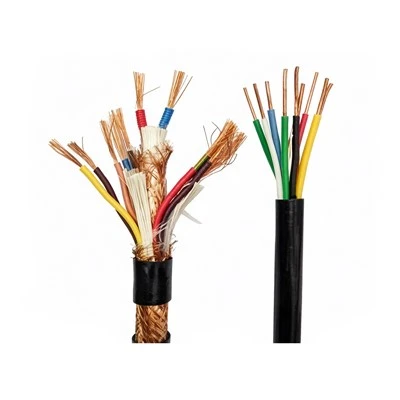
And hey, even if you’re not sure if you need specialty cables? That’s okay too. Shoot me a message, tell me what you’re working with, and I can help you figure it out. No pressure, no sales pitch—just real talk about cables that matter.
Control Cables References
- Specialty Cable Association. (2022). "Specialty Cables: Applications and Industry Standards". SCA Technical Whitepaper.
- International Electrotechnical Commission. (2021). "Technical Specifications for Industrial, Marine, and Medical Specialty Cables". IEC 60227 Series.
- Allied Market Research. (2023). "Global Specialty Cables Market Report: Growth, Trends, and Forecast to 2030". Market Analysis Document.
- Automotive Industry Action Group. (2022). "Requirements for High-Voltage Specialty Cables in Electric Vehicles". AIAG Technical Brief.
- National Association of Medical Equipment Services. (2021). "Biocompatibility and Sterilization Standards for Medical Specialty Cables". NAMES Guidelines.
Anhui Yuantong Cable Co., Ltd.
As one of the most professional specialty cables manufacturers and suppliers in China, we offer a wide range of cables with superior quality. Please feel free to wholesale bulk customized specialty cables from our factory. Also, pricelist is available.
Address: Yongfeng Industrial Park, Tianchang City, Anhui Province
E-mail: ahytcable@126.com
WebSite: https://www.yuantongcable.net/
