Automating traffic lights is a complex and challenging endeavor that holds great promise for improving traffic flow, reducing congestion, and enhancing safety on our roadways. As a traffic lights supplier deeply involved in this industry, I have witnessed firsthand the numerous obstacles and difficulties that come with implementing automated traffic light systems. In this blog post, I will explore some of the key challenges in automating traffic lights and discuss how we can overcome them to create a more efficient and sustainable transportation network. Traffic Lights
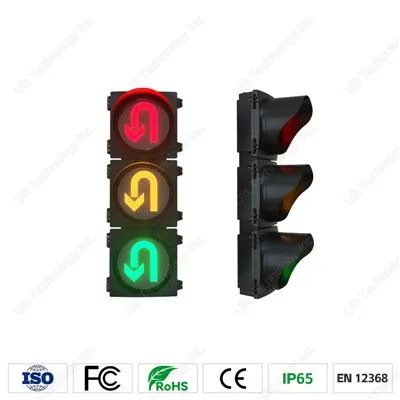
Technical Challenges
One of the primary challenges in automating traffic lights is the development of reliable and accurate sensor technologies. Automated traffic lights rely on a variety of sensors, such as cameras, radar, and infrared detectors, to detect the presence and movement of vehicles, pedestrians, and cyclists. These sensors must be able to operate in all weather conditions, including rain, snow, fog, and extreme temperatures, and provide real-time data to the traffic control system. However, sensor technologies are not perfect, and they can be prone to errors and malfunctions. For example, cameras can be affected by glare, dirt, and debris, while radar sensors can be interfered with by other electromagnetic signals. To address these issues, traffic light suppliers must invest in research and development to improve the performance and reliability of sensor technologies. This may involve the use of advanced algorithms and machine learning techniques to filter out noise and false detections, as well as the development of more robust and durable sensor hardware.
Another technical challenge in automating traffic lights is the integration of different sensor technologies and communication protocols. Traffic control systems typically use a combination of wired and wireless communication technologies to transmit data between sensors, traffic lights, and central control centers. However, these technologies often operate on different frequencies and standards, which can make it difficult to integrate them into a seamless and interoperable system. To overcome this challenge, traffic light suppliers must work closely with other stakeholders, such as technology vendors, transportation agencies, and standards organizations, to develop common protocols and interfaces for sensor communication. This will ensure that different sensor technologies can work together effectively and that data can be transmitted accurately and reliably between different components of the traffic control system.
In addition to sensor technologies and communication protocols, automating traffic lights also requires the development of sophisticated control algorithms and software systems. These algorithms must be able to analyze real-time traffic data from sensors, predict future traffic patterns, and make intelligent decisions about when to change traffic light signals. However, developing effective control algorithms is a complex and challenging task, as traffic patterns can be highly variable and unpredictable. To address this challenge, traffic light suppliers must use advanced data analytics and machine learning techniques to analyze historical traffic data and identify patterns and trends. This will enable them to develop more accurate and efficient control algorithms that can adapt to changing traffic conditions in real-time.
Infrastructure Challenges
Another significant challenge in automating traffic lights is the need to upgrade and modernize existing traffic infrastructure. Many traffic light systems were installed decades ago and were not designed to support automated features. As a result, they may require significant upgrades to their hardware and software to enable them to communicate with sensors, control centers, and other traffic management systems. These upgrades can be costly and time-consuming, and they may require the cooperation of multiple stakeholders, including transportation agencies, utility companies, and local governments.
In addition to upgrading existing traffic infrastructure, automating traffic lights also requires the installation of new sensors and communication equipment. This may involve the deployment of wireless networks, fiber optic cables, and other communication technologies to connect sensors and traffic lights to central control centers. However, installing new infrastructure can be challenging, especially in urban areas where space is limited and traffic congestion is high. To address this challenge, traffic light suppliers must work closely with transportation agencies and other stakeholders to develop innovative solutions for installing and maintaining new infrastructure. This may involve the use of modular and prefabricated components, as well as the development of new installation techniques and methods.
Another infrastructure challenge in automating traffic lights is the need to ensure the security and reliability of the traffic control system. Automated traffic lights rely on a network of sensors, communication devices, and software systems to operate effectively. However, these systems are vulnerable to cyberattacks and other security threats, which can disrupt traffic flow and endanger public safety. To address this challenge, traffic light suppliers must implement robust security measures, such as encryption, authentication, and access control, to protect the traffic control system from unauthorized access and manipulation. They must also conduct regular security audits and vulnerability assessments to identify and address any potential security risks.
Regulatory Challenges
In addition to technical and infrastructure challenges, automating traffic lights also faces regulatory hurdles and policy challenges. Many transportation agencies and regulatory bodies have strict rules and regulations regarding the design, installation, and operation of traffic light systems. These rules and regulations are designed to ensure the safety and reliability of traffic control systems and to protect the interests of the public. However, they can also make it difficult for traffic light suppliers to develop and deploy automated traffic light systems.
For example, some regulatory bodies require traffic light systems to be certified by independent testing laboratories before they can be installed on public roadways. This certification process can be time-consuming and expensive, and it may require traffic light suppliers to meet strict technical standards and performance criteria. In addition, some regulatory bodies may have specific requirements regarding the design and operation of traffic light systems, such as the use of certain colors, shapes, and symbols. These requirements can limit the flexibility and innovation of traffic light suppliers and make it difficult for them to develop new and improved automated traffic light systems.
Another regulatory challenge in automating traffic lights is the need to ensure compliance with privacy laws and regulations. Automated traffic light systems rely on the collection and analysis of large amounts of data, including information about the movement and behavior of vehicles, pedestrians, and cyclists. However, this data may be considered personal information under privacy laws and regulations, and its collection, use, and disclosure may be subject to strict legal requirements. To address this challenge, traffic light suppliers must develop policies and procedures to ensure the privacy and security of the data collected by their traffic control systems. They must also obtain the consent of individuals whose data is being collected and use the data only for legitimate purposes, such as traffic management and safety.
Social and Behavioral Challenges
Finally, automating traffic lights also faces social and behavioral challenges. Many drivers, pedestrians, and cyclists are accustomed to traditional traffic light systems and may be resistant to change. They may be skeptical of the safety and reliability of automated traffic light systems and may be concerned about the potential impact on their privacy and personal freedom. In addition, some individuals may have difficulty adapting to the new rules and behaviors required by automated traffic light systems, such as the need to follow new traffic signals and signs.
To address these social and behavioral challenges, traffic light suppliers must engage in public outreach and education campaigns to raise awareness about the benefits of automated traffic light systems and to address any concerns or misconceptions that the public may have. They must also work closely with transportation agencies, community organizations, and other stakeholders to develop strategies for promoting the adoption and acceptance of automated traffic light systems. This may involve the use of incentives, such as reduced traffic fines or tolls, to encourage individuals to use automated traffic light systems, as well as the development of training programs and educational materials to help individuals learn how to use the systems safely and effectively.
Overcoming the Challenges
Despite the numerous challenges in automating traffic lights, there are also many opportunities for innovation and improvement. By investing in research and development, collaborating with other stakeholders, and engaging in public outreach and education, traffic light suppliers can overcome the challenges and create a more efficient, sustainable, and safe transportation network.
One approach to overcoming the technical challenges in automating traffic lights is to focus on the development of open and interoperable standards and protocols. By working together with other technology vendors, transportation agencies, and standards organizations, traffic light suppliers can develop common standards and interfaces for sensor communication, data exchange, and control algorithms. This will enable different sensor technologies and traffic control systems to work together effectively and will make it easier to integrate new technologies and features into existing traffic infrastructure.
Another approach to overcoming the infrastructure challenges in automating traffic lights is to use a modular and scalable design approach. By designing traffic light systems that are modular and scalable, traffic light suppliers can easily upgrade and expand the systems as needed to meet changing traffic conditions and technological requirements. This will reduce the cost and complexity of installing and maintaining new infrastructure and will make it easier to adapt to future changes in traffic patterns and transportation technologies.
To address the regulatory challenges in automating traffic lights, traffic light suppliers must work closely with transportation agencies and regulatory bodies to develop policies and regulations that support innovation and the deployment of automated traffic light systems. This may involve the development of new certification processes and standards that are more flexible and adaptable to new technologies and features. It may also involve the collaboration with policymakers to develop incentives and funding mechanisms to support the deployment of automated traffic light systems.
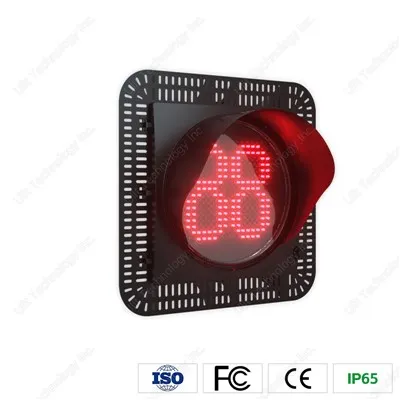
Finally, to overcome the social and behavioral challenges in automating traffic lights, traffic light suppliers must engage in public outreach and education campaigns to raise awareness about the benefits of automated traffic light systems and to address any concerns or misconceptions that the public may have. This may involve the use of social media, public meetings, and other communication channels to communicate with the public and to solicit feedback and input. It may also involve the development of educational materials and training programs to help individuals learn how to use the systems safely and effectively.
Rectangle Road Sign Automating traffic lights is a complex and challenging endeavor that requires the collaboration of multiple stakeholders, including traffic light suppliers, transportation agencies, technology vendors, and the public. By addressing the technical, infrastructure, regulatory, and social challenges in automating traffic lights, we can create a more efficient, sustainable, and safe transportation network. If you are interested in learning more about our traffic light solutions or have any questions about automated traffic light systems, please do not hesitate to contact us for a procurement discussion. Our team of experts is ready to assist you in finding the best solutions for your traffic management needs.
References
- Transportation Research Board. (2016). Traffic Signal Control: Strategies and Best Practices. National Academies Press.
- Federal Highway Administration. (2018). Traffic Signal Timing Manual. U.S. Department of Transportation.
- IEEE Standards Association. (2019). IEEE Standards for Intelligent Transportation Systems. IEEE.
Ulit Technology Inc.
As one of the most experienced traffic lights manufacturers and suppliers in China, we offer a wide range of products with superior quality. We warmly welcome you to wholesale bulk durable traffic lights from our factory. If you have any enquiry about cooperation, please feel free to email us.
Address: NO.2 Mudan Road, Nan’an District, Chongqing, China
E-mail: cqulit@sina.com
WebSite: https://www.ulitcn.com/
