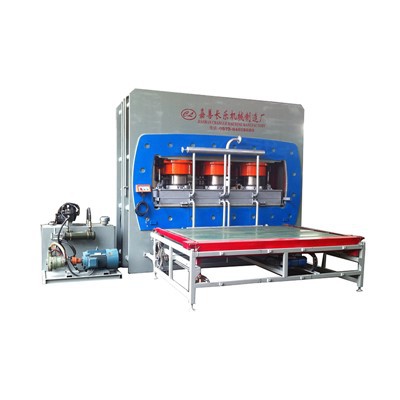
When it comes to woodworking, the board edger is an indispensable tool. As a professional board edger supplier, I’ve witnessed firsthand how optimizing the cutting process can revolutionize not just the efficiency but also the quality of wood production. In this blog post, I’ll share some insightful tips on how to optimize the cutting process of a board edger, drawing from years of experience in the industry. Board Edger
Understanding the Basics of the Board Edger
Before delving into optimization strategies, it’s crucial to understand the fundamental components and functions of a board edger. A board edger is designed to trim the sides of boards to achieve a uniform width and straight edges. It typically consists of a cutting blade, a feed system, and a control panel. The cutting blade does the actual work of removing material from the boards, while the feed system ensures a continuous and steady movement of the boards through the machine. The control panel allows operators to adjust various settings such as cutting speed, blade depth, and feed rate.
Selecting the Right Blade
One of the most critical factors in optimizing the cutting process is selecting the right blade. The blade you choose should be suitable for the type of wood you’re working with and the desired cutting results. For hardwoods, a blade with a high tooth count and a fine tooth pitch is usually recommended. This type of blade can make clean, precise cuts and reduce the amount of tear – out. Softwoods, on the other hand, can often be cut with a blade that has a lower tooth count and a wider tooth pitch, as they are generally easier to cut through.
Another aspect to consider when choosing a blade is its quality. A high – quality blade will have sharper teeth, better durability, and will hold its edge for longer periods. Investing in a good blade may cost more upfront, but it will pay off in the long run by reducing downtime for blade changes and improving the overall cutting quality.
Calibrating the Machine
Proper calibration of the board edger is essential for accurate and efficient cutting. Start by checking the alignment of the blade. The blade should be perfectly perpendicular to the feed table to ensure straight cuts. Use a precision square to verify the alignment and make any necessary adjustments.
Next, calibrate the feed system. The feed rate should be set according to the type of wood, the thickness of the boards, and the cutting capacity of the machine. A feed rate that is too fast can cause the blade to overheat, resulting in poor cutting quality and premature blade wear. Conversely, a feed rate that is too slow can reduce productivity. Experiment with different feed rates to find the optimal setting for your specific application.
Maintaining the Machine
Regular maintenance is key to keeping your board edger in top – notch condition and optimizing the cutting process. Clean the machine after each use to remove sawdust and debris, as these can accumulate and affect the performance of the machine. Pay special attention to the blade, as sawdust can dull the teeth and cause uneven cutting.
Inspect the blade regularly for signs of wear and damage. If the blade is dull or chipped, it’s time to replace it. Sharp blades make cleaner cuts, require less power to operate, and reduce the risk of kickbacks.
In addition to blade maintenance, lubricate all moving parts of the machine as recommended by the manufacturer. This will reduce friction, prevent premature wear, and ensure smooth operation.
Training the Operators
Even the most advanced board edger won’t perform at its best if the operators are not properly trained. Provide comprehensive training to your operators on how to operate the machine safely and efficiently. They should understand the basic principles of the cutting process, how to select the right settings for different types of wood, and how to perform routine maintenance tasks.
Encourage operators to share their experiences and insights. They may have discovered unique ways to optimize the cutting process during their day – to – day work. By fostering a culture of knowledge sharing, you can continuously improve the performance of your board edger.
Utilizing Automation Features
Modern board edgers are often equipped with advanced automation features that can significantly enhance the cutting process. For example, some machines have automatic blade adjustment systems that can adapt to different board thicknesses and cutting requirements. This not only saves time but also increases the accuracy of the cuts.
Another useful automation feature is the automated feed system. These systems can precisely control the speed and movement of the boards, ensuring a consistent and efficient cutting process. By leveraging these automation features, you can reduce the reliance on manual labor, minimize human error, and improve overall productivity.
Quality Control
Implementing a strict quality control system is crucial for optimizing the cutting process. Regularly inspect the cut boards for any defects such as uneven edges, tear – out, or excessive roughness. If you notice any issues, analyze the root cause and make the necessary adjustments to the machine settings or the cutting process.
Keep records of the quality control results. This data can be used to identify trends, track the performance of the machine over time, and make informed decisions about future improvements to the cutting process.
Cost – Benefit Analysis
When optimizing the cutting process, it’s important to conduct a cost – benefit analysis. Consider the costs associated with blade replacement, machine maintenance, operator training, and any upgrades or automation features. Compare these costs with the potential benefits, such as increased productivity, improved quality, and reduced waste.
In some cases, investing in more advanced equipment or training may seem expensive upfront, but it can lead to significant long – term savings. For example, a high – quality blade may cost more than a cheaper alternative, but it will last longer and produce better cuts, reducing the need for rework and improving the overall efficiency of the production process.
Conclusion
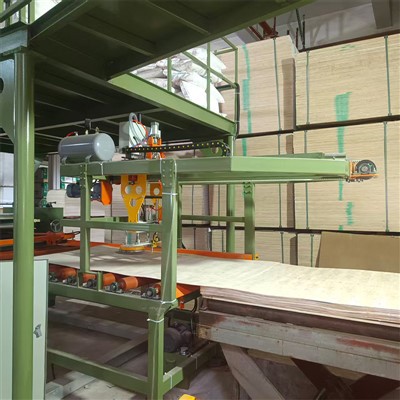
Optimizing the cutting process of a board edger is a multi – faceted endeavor that involves selecting the right blade, calibrating the machine, maintaining it properly, training the operators, utilizing automation features, implementing quality control, and conducting a cost – benefit analysis. By following these strategies, you can improve the efficiency, quality, and profitability of your woodworking operations.
Hot-press for Plywood If you’re interested in learning more about our board edgers or how to further optimize your cutting process, I encourage you to reach out to us. We’re more than happy to have in – depth discussions with you, provide customized solutions based on your specific needs, and assist you in making the most of your board edging equipment. Let’s work together to take your woodworking business to the next level.
References
- Woodworking Machinery Handbook, various editions
- Industry reports on wood processing equipment efficiency
- Manufacturer’s manuals for board edgers
Jiashan Changle Machinery Manufacturing Co., Ltd.
We’re well-known as one of the leading board edger manufacturers and suppliers in China, also support customized service. Please feel free to buy advanced board edger for sale here from our factory. Quality products and punctual delivery are available.
Address: Building 12, Zone A, Wanyang Innovation City, No. 23 Yucao South Road, Ganyao Town, Jiashan County, Jiaxing City, Zhejiang Province
E-mail: Changle84615620@163.com
WebSite: https://www.changlejx.com/
