If you’ve ever stood beside a local river after a heavy rain, or tested water from a small community well that’s been left stagnant for a few days, you’ve encountered a problem we solve every day as a portable water quality analyzer supplier: figuring out how much organic matter is actually in the water. That’s where BOD, or Biological Oxygen Demand, comes in. It’s not just another water quality buzzword—for anyone who relies on water, whether that’s a small town treating drinking water, a factory discharging wastewater, or a conservation group monitoring a lake, BOD tells you how much oxygen aquatic microbes will use up as they break down organic waste. For years, measuring BOD meant sending samples to a central lab, waiting 5 days for results, and dealing with expensive shipping to keep samples from degrading before testing. Portable water quality analyzers changed that, and today I want to walk you through exactly how they measure BOD, straight from the team that builds these tools for field teams around the world. Portable Water Quality Analyzer
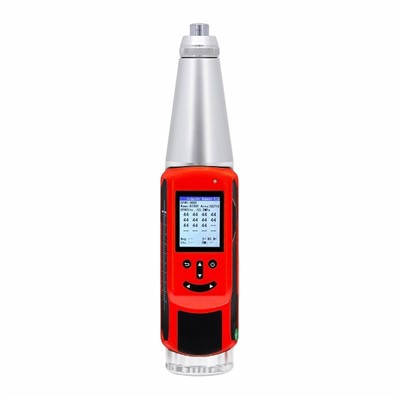
Let’s start with the basics of what BOD actually is, because if you’re going to measure it, you need to know what you’re measuring. When there’s organic waste in water—think sewage runoff, agricultural manure, food processing leftover, or even fallen leaves that have washed into a stream—microorganisms (bacteria, fungi, algae) move in to break that waste down. This process uses oxygen, right? The more waste there is, the more oxygen the microbes will burn through. BOD is the amount of dissolved oxygen (DO) those microbes consume over a set period, usually 5 days at 20 degrees Celsius. If BOD is high, that means lots of waste, which can starve fish and other aquatic life of oxygen. If BOD is low, the water is clean. That’s the core definition everyone learns, but the old 5-day BOD (BOD5) test was a pain. You had to collect a sample, fill several BOD bottles, seal them, and incubate them for a full week before reading the final DO level. If a sample got too warm in your truck on the way back to the lab, or if you accidentally left it out in sunlight, the results were useless. Portable analyzers cut that time way down, but they don’t skip the science of how microbes work.
Now, how does a portable analyzer actually pull this off in the field, instead of a lab? Let’s break it down step by step, using the models our team designs every day. First, you have to prepare the sample correctly, because microbes need the right conditions to breathe. If your water sample is super pure (like from a mountain stream), it won’t have enough microbes to do the test, so you add a standardized “seed” culture—usually from nutrient-rich water where microbes are already thriving. If the sample is high in waste (like wastewater from a meat processing plant), it might have so much bacteria that you have to dilute it with a buffer solution to keep the microbes from using all the oxygen in minutes. That part is non-negotiable, no matter if you’re in a lab or a field unit; the portable analyzer’s built-in reagents take care of precise dilutions automatically, so you don’t have to mix with a beaker and risk human error.
Next is the part that makes portable BOD testing fast: the sensor. Most portable units don’t use the old Winkler titration method, which is what the lab BOD5 test uses. Titration requires adding chemicals to the sample, waiting for a color change, and counting drops—perfect for a lab tech with years of training, but terrible for a field worker who needs results in 10 minutes, not an hour. Instead, our analyzers use optical dissolved oxygen sensors, also called fluorescent DO sensors. Here’s how those work: the sensor has a small patch of fluorescent material at the tip that glows when light hits it. When oxygen molecules get near that patch, they “quench” the glow—meaning the light dims, and the amount of dimming is directly proportional to how much oxygen is in the water. No chemicals, no titration, just a light and a photodetector that reads the glow level. That’s the key to portability; this sensor is small, battery-powered, and works in all kinds of weather, from 30-degree heat to light rain.
Now, here’s where the portable analyzer’s magic happens to calculate BOD without waiting 5 days. Remember, BOD is the total oxygen consumed by microbes breaking down waste. In the old BOD5 test, you measure DO on day 0 and day 5, then subtract to get the amount used. Portable analyzers use what’s called a “respirometric method” to measure that oxygen use in real time. Once you’ve prepared your seeded or diluted sample, you seal it in a small, airtight chamber inside the analyzer. The chamber is temperature-controlled, because microbes work faster when it’s warm—we keep it at a steady 20 degrees Celsius, exactly like the lab BOD test, so results are comparable. As the microbes break down the organic matter in the sample, they use up the oxygen inside the chamber. The fluorescent DO sensor is constantly reading the oxygen level, taking a measurement every few seconds, and sending that data to the analyzer’s microprocessor. The processor watches the oxygen drop over time. At first, it might drop quickly because the microbes are using up oxygen fast, then the rate slows down as the easiest organic waste gets eaten. By tracking how much oxygen is consumed over a set period—usually 1 to 2 hours for a portable test, instead of 5 days—the analyzer can calculate the total BOD. How? It uses a standard curve that’s calibrated against the traditional BOD5 test. We test every portable unit against lab-grade BOD results to make sure that 2-hour number translates directly to the 5-day number, so a field technician gets an accurate, legally defensible BOD reading in less time than it takes to drive back to the office.
Wait, but what about interferences? That’s a big one, because water samples aren’t always clean. If a sample has something like chlorine, which kills microbes, or heavy metals that poison them, or lots of algae that produce their own oxygen, the BOD reading will be off. Our portable analyzers have built-in checks for these interferences, right in the unit. For example, some models have a built-in turbidity sensor that can tell if a sample is too cloudy from algae, which would mess with the DO sensor’s reading. If chlorine is present, the analyzer’s reagent pack has a neutralizer that breaks down the chlorine before the test starts. If the sample is too acidic or too basic, the analyzer will alert you so you can add a pH buffer on site—no need to send it back to the lab. That’s the biggest difference between a $500 handheld DO meter and a portable BOD analyzer: it’s not just measuring oxygen, it’s accounting for all the things that can throw the BOD calculation off, right when you’re in the field.
Let me give you a real example to make this concrete. Last month, we worked with a small wastewater treatment plant in rural Ohio that used to send their samples 2 hours to the nearest lab for BOD testing. The lab charged them $75 per sample, and results took 5 days, so if their BOD was too high and they were violating permit limits, they didn’t find out until 5 days after the discharge happened. They had to fine themselves twice for the same issue because they couldn’t adjust treatment in time. When we trained their field techs on our portable BOD analyzer, here’s what happened: they collected a 100mL sample of the plant’s effluent, added the built-in seed culture, inserted the sample into the analyzer’s temperature-controlled chamber, and 90 minutes later, they had a BOD reading of 22 mg/L—well under their permit limit of 30 mg/L. If it had been over, they could have adjusted the aeration rate in the treatment tank right away, instead of waiting 5 days. That’s the value of portable BOD testing, not just speed, but actionable data when you need it.
Another common use case: a conservation group monitoring a creek that runs through an agricultural area. They used to collect samples every week, put them on ice, drive 45 minutes to the lab, and get results 3 days later. Now, with our portable analyzers, they test BOD on site after every rain event, when fertilizer runoff is highest. Last spring, they noticed that after a big rain, the creek’s BOD spiked to 45 mg/L, which is a sign of manure runoff from nearby farms. They shared that real-time data with the local soil and water district, which worked with farmers to adjust their manure storage practices, cutting the BOD spike by 60% in just two months. That’s the power of having BOD data in your hands, not locked in a lab.
But let’s be honest, portable BOD testing isn’t perfect. It’s a method that’s designed for speed and field use, so it isn’t exactly the same as the lab BOD5 test, which is the gold standard for regulatory reporting. For formal permit applications, most agencies still accept portable BOD results if the units are properly calibrated and validated against lab tests, which our team does for every model we sell. We also provide calibration kits so users can check their units against lab standards every month, to make sure the readings stay accurate. The key is knowing when to use which method: portable for daily, on-site monitoring, fast decisions, and tracking trends; lab BOD5 for formal compliance reports.
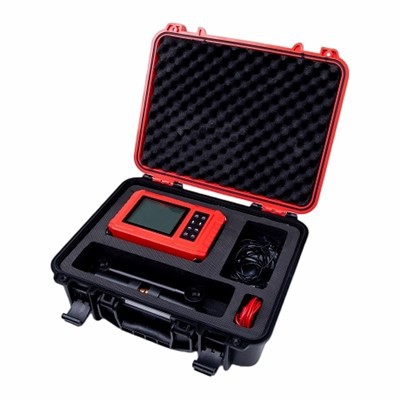
At the end of the day, the reason our team gets excited about building portable water quality analyzers is that BOD doesn’t have to be a test you only run in a lab. Whether you’re a small town worker checking your drinking water source, a factory manager making sure you’re not polluting the river, or a scientist studying how climate change affects stream health, you need BOD data when you need it, not 5 days later. If you’re tired of waiting for lab results, or you’re dealing with samples that degrade before you can get them to a lab, reach out to our team to learn more about how our portable BOD analyzers can work for your operations. We’re always here to walk through the science, answer questions, and help you find the right unit for your needs.
Vortex Flow Meter References
- Eaton, A.D., Clesceri, L.S., Rice, E.W., & Greenberg, A.E. (Eds.). Standard Methods for the Examination of Water and Wastewater, 23rd ed. American Public Health Association.
- Lesteur, M., Bellion, J., Comte, J., & Paul, E. (2010). Short-term BOD measurement: A review. Water Research, 44(18), 5211-5222.
- Society of Environmental Toxicology and Chemistry (SETAC). Field Portable Water Quality Monitoring: Principles and Applications. SETAC Press.
- Holst, T., & Nielsen, J.L. (2012). Respirometric methods for measuring biological oxygen demand in environmental samples. Journal of Microbiological Methods, 90(2), 167-174.
Dalian Yheng Technology Co., Ltd.
Address: F1605, NO.10 Huoju road, High-tech Industrial Zone, Dalian, China
E-mail: admin@dlyheng.com
WebSite: https://www.yhengphmeter.com/
