As a seasoned supplier in the tractor truck industry, I often encounter inquiries about the power output of tractor truck engines. This is a crucial aspect that not only determines the vehicle’s performance but also influences its suitability for various applications. In this blog, I’ll delve into the intricacies of tractor truck engine power output, exploring its significance, how it’s measured, the factors that affect it, and the power requirements for different types of operations. Tractor Truck

Understanding Power Output
Before we discuss the power output of tractor truck engines, it’s essential to understand what power means in the context of engines. Power is the rate at which work is done. In an engine, power is the ability to perform tasks such as moving the vehicle, hauling heavy loads, and operating auxiliary equipment. It’s typically measured in horsepower (hp) or kilowatts (kW). One horsepower is equivalent to roughly 746 watts.
The power output of an engine indicates how much work it can do in a given amount of time. A higher power output means the engine can generate more force and perform tasks more efficiently. For tractor trucks, this translates to better acceleration, higher top speeds, and the ability to handle heavier loads.
Measuring Power Output
The power output of a tractor truck engine is measured using a dynamometer. This device applies a load to the engine and measures the torque (rotational force) and the engine’s speed (revolutions per minute, or RPM). The power output is then calculated using the following formula:
Power (hp) = (Torque × RPM) / 5252
This formula shows the relationship between torque, RPM, and power. Torque is the force that causes the engine’s crankshaft to rotate, and RPM is the number of times the crankshaft rotates per minute. A balance between torque and RPM is crucial for optimal power output.
Factors Affecting Power Output
Several factors can affect the power output of a tractor truck engine. Understanding these factors can help in selecting the right engine for specific applications.
Engine Design
The design of the engine plays a significant role in determining its power output. Factors such as the number of cylinders, the displacement (the total volume of all the cylinders), and the compression ratio all influence how much power the engine can produce. Generally, engines with more cylinders and larger displacements tend to have higher power outputs. However, modern engine technology has allowed for smaller engines to produce comparable power through advanced designs such as turbocharging and direct injection.
Fuel Quality
The quality of the fuel used in the engine can also impact its power output. High – quality fuels with the appropriate octane or cetane rating (for gasoline and diesel engines respectively) can burn more efficiently, leading to better power generation. Low – quality fuels may not burn completely, resulting in reduced power and increased emissions.
Intake and Exhaust Systems
Efficient intake and exhaust systems are essential for good power output. The intake system brings air into the engine, which is necessary for combustion. A well – designed intake system can ensure a sufficient and unrestricted flow of air. Similarly, the exhaust system must be able to expel the combustion gases quickly and efficiently. Any restrictions in the intake or exhaust systems can reduce the engine’s power output.
Environmental Conditions
Environmental conditions such as temperature, altitude, and humidity can affect engine performance. At high altitudes, the air is thinner, which means there is less oxygen available for combustion. This can lead to a decrease in power output. Similarly, extremely hot or cold temperatures can also impact the engine’s efficiency. Engines may require more fuel to operate at optimal levels in cold weather, while high temperatures can cause the engine to overheat, reducing its power.
Power Requirements for Different Applications
Tractor trucks are used for a variety of applications, and each application has different power requirements.
Long – Haul Transportation
For long – haul transportation, where the tractor truck needs to cover large distances on highways, a moderate to high – power engine is typically required. Engines in the range of 350 – 600 hp are common for long – haul trucks. These engines need to provide a good balance of power and fuel efficiency. The ability to maintain a steady speed on flat roads and climb hills without significant loss of speed is crucial for long – distance hauling.
Heavy – Duty Hauling
When it comes to heavy – duty hauling, such as transporting construction equipment, large containers, or heavy loads of materials, much higher power engines are necessary. Engines with power outputs of 600 hp or more are often used for these applications. These engines need to be able to generate enough torque to move the heavy loads from a standstill and maintain a reasonable speed while on the road.
Off – Road and Construction Work
Tractor trucks used in off – road and construction work face different challenges. They need to operate on uneven terrain, climb steep slopes, and perform tasks such as towing and pushing. Power requirements for these trucks can be highly variable depending on the specific job. However, engines with high torque outputs at low RPMs are often preferred. This allows the trucks to have better control and pulling power in challenging off – road conditions.
Why Power Output Matters for Your Business
As a tractor truck supplier, I understand that choosing the right engine power output is crucial for your business. The power of the engine directly impacts the truck’s performance, efficiency, and profitability. A truck with too little power may struggle to complete tasks, leading to longer delivery times and increased fuel consumption. On the other hand, an engine with too much power may be more expensive to purchase and operate, as it will consume more fuel even when not fully utilized.
By carefully considering the power requirements of your specific applications, you can select the most appropriate engine for your tractor trucks. This will ensure that you get the best performance, reliability, and cost – effectiveness from your fleet.
Get in Touch for Your Tractor Truck Needs
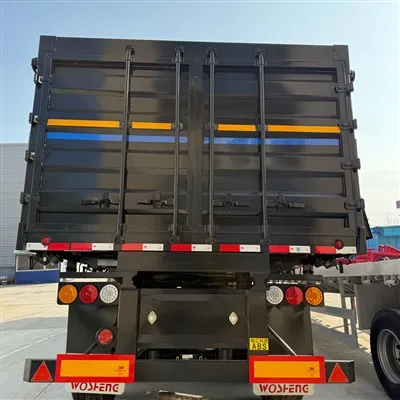
If you’re in the market for tractor trucks and need expert advice on choosing the right engine power output for your business, I’m here to help. Our team of experienced professionals can provide you with detailed information about the different engine options available, and how they can meet your specific requirements. Whether you’re involved in long – haul transportation, heavy – duty hauling, or off – road construction work, we have the right tractor trucks for you.
Box Trailer Contact us today to start a conversation about your tractor truck procurement. Let’s work together to find the perfect solution for your business.
References
- Heywood, J. B. (1988). Internal Combustion Engine Fundamentals. McGraw – Hill.
- Crolla, D. A. (2001). Vehicle Dynamics: Theory and Application. Society of Automotive Engineers.
- Bosley, M. J. (2012). Diesel Engine and Exhaust Emissions. Delmar Cengage Learning.
Shandong Huayuanda Automobile Manufacturing Co., Ltd.
As one of the most experienced tractor truck manufacturers and suppliers in China, our products have good reputation in the market. We warmly welcome you to buy high quality tractor truck at low price from our factory. If you have any enquiry about cooperation, please feel free to email us.
Address: Industrial Park, Quanpu Town, Liangshan County, Jining City, Shandong Province
E-mail: Huayuanda2024@163.com
WebSite: https://www.hydtrailer.com/
