If you’ve ever worked in construction, metal fabrication, or even automotive parts, you’ve probably seen a cold roll forming machine in action—those big, loud, metal-bending workhorses that turn flat steel or aluminum coils into everything from roof panels to door frames, window frames, and even shelf brackets. As a supplier of these machines, I get asked all the time: “Are they actually bad for the environment? I’ve heard some stuff about manufacturing and energy use, but I’m not sure if that’s the whole picture.” Cold Roll Forming Machine
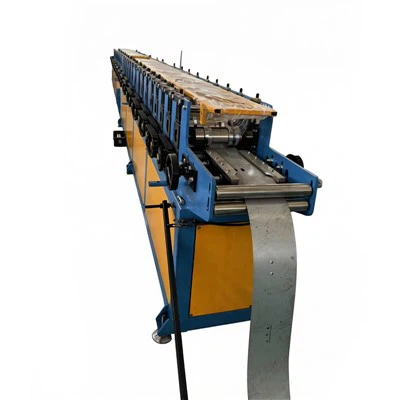
It’s a fair question—climate anxiety is real these days, and no one wants to invest in equipment that’s going to hurt the planet long-term. I don’t work in an eco-lobby, and I’m not here to spin things to make our machines sound perfect. I’m just a guy who’s been selling these things for 12 years, fixes them when they break, and talks to hundreds of fab managers every month, so I’ve seen both the pros and the pitfalls firsthand. Let’s break this down straight, no jargon, no corporate PR fluff.
First, let’s get one thing clear: cold roll forming isn’t the same as hot rolling steel. Hot rolling is when you heat metal up to like 1,700°F (that’s basically orange-hot) to bend it, which requires massive amounts of energy. Cold roll forming does it at room temperature, so it’s way more efficient for many parts. But that doesn’t mean there’s zero environmental impact—nothing on this planet is, right? The impacts fall into three main buckets: the energy it uses day-to-day, the waste it generates, and the whole lifecycle from making the machine itself to disposing of old metal parts.
Let’s start with the big one: energy use. I can’t tell you how many times a customer has said, “Wait, your machine uses less energy than a hot roll line?” And yeah, it does—like, a lot less. A typical hot rolling line can use 500 kWh per hour, sometimes more, just to keep the metal hot and power the heavy rollers. Our cold roll machines? They average 50 to 150 kWh per hour, depending on the size of the machine and what it’s making. That’s a huge difference, but let’s not act like 150 kWh is nothing. If a fab runs a 100 kWh cold roll machine 8 hours a day, 5 days a week, that’s 20,800 kWh a year. If that electricity comes from coal, that’s like 14 tons of CO2 emitted annually (I checked the EPA’s carbon factor for coal—roughly 0.82 tons of CO2 per MWh). But here’s the catch: that same line if it were hot rolling would be using 500 kWh, so 104,000 kWh a year, which is 85 tons of CO2. So even with grid power that’s not perfect, cold roll is way better.
But wait, what if a fab is running the machine 24/7? Like some metal stamping places do. Then yeah, that 150 kWh adds up. But modern cold roll machines have come a long way in the last 5 years. We add variable frequency drives (VFDs) to every model now, right? So when the machine is idling—like between coil loads, or when it’s not actually bending metal—the VFDs cut the power to the motors, so it’s not wasting energy. Old machines? They just ran full speed even when not making parts, so they’d suck up half their max energy just sitting there. We also build our machines with high-efficiency motors, way better than the standard ones you’d get from a cheap overseas model. A lot of suppliers cut corners on that, but our customers save so much on electricity bills that they ask us how we fit that into the machine. It’s not a gimmick—it’s real, and it cuts energy use by 15-20% compared to older designs.
Next, waste. This is where cold roll forming shines, honestly. Let’s compare it to another common metal process: stamping. Stamping uses a die to punch out a part from a sheet of metal, right? And a lot of that metal gets cut away as scrap—like, 20-30% of the coil, sometimes more, especially if the part has weird, irregular edges. Cold roll forming? It bends the metal along a continuous line, so almost all of the coil turns into parts. Yeah, there’s a tiny bit of scrap at the start and end of the coil, maybe 1-2%, but that’s it. For a 10,000 lb coil, that’s 200 lbs of scrap max, vs. 2,000-3,000 lbs for stamping. That’s a massive difference.
But wait, what about the scrap metal that does come off? Most of the time, it’s steel or aluminum, which are 100% recyclable. We even have customers who sell their scrap right back to the mill for a few bucks a pound, so it’s not even waste that ends up in a landfill. But there’s another kind of waste I don’t see talked about much: off-spec parts. If a stamping machine messes up, you might have a whole bad part. Cold roll machines are way more consistent. We use laser guides and tension controls that keep the metal aligned perfectly, so error rates are like 0.5% or less. That means way fewer parts get tossed, so less material going to waste.
But let’s not ignore the downsides here. There’s a tiny bit of lubrication oil used in cold roll forming, right? The machines need oil to keep the rollers turning smoothly, and the metal gets a light coat of oil to prevent scratching during bending. If that oil leaks or isn’t disposed of properly, it can get into water or soil, which is bad. But here’s the thing: modern cold roll machines use food-grade, biodegradable oils for most jobs now, and we recommend filters that catch 99% of the oil before it gets into the environment. Also, the amount of oil is tiny—like, a 50-gallon change every 6 months for a large machine, vs. hundreds of gallons a hot roll line uses. And that old oil? It’s not hazardous waste if you dispose of it properly, which most fabs do these days because it’s cheaper to recycle oil than to throw it away.
Now, the big picture: the machine’s entire lifecycle. No one talks about this much, but making a cold roll machine itself uses energy and resources. These things are heavy—like, a medium-sized machine can weigh 20,000 lbs, all steel and electrical components. But here’s the thing: a well-built cold roll machine lasts 20+ years. The cheap ones you can buy from Alibaba might last 5 years, tops, before they break down and get scrapped. Our machines? I’ve sold one to a customer in Ohio in 2001 that’s still running every day. That means you’re not buying a new machine every 5 years, so you’re not putting all that steel and electronics into a landfill or wasting the energy to build a new one. Also, when a machine does reach the end of its life, most of it is steel, which is 100% recyclable. The motors and control panels can be stripped and reused, so there’s almost no waste left.
Wait, but what about the environmental cost of mining the metal for the machine? Yeah, that’s a factor. Steel production is energy-intensive, but again, compare it to alternatives. If a customer was using hot roll steel, that’s also from the same steel mills, so the mining and manufacturing impact is similar for the metal parts. The difference is in the ongoing energy use and waste. Also, we use as much recycled steel as possible in building our machines now—about 40% of the steel we source is post-consumer recycled steel, so that cuts the mining impact right there.
Let’s talk about a real example, because numbers help. I had a customer last year who makes roof panels for residential homes. They were using a hot roll line before, and switching to one of our cold roll machines. They calculated that in the first year, they used 80% less energy, cut their metal waste from 25% to 1%, and reduced their oil use by 70%. Over 10 years, that’s like 600 tons of CO2 saved, 240,000 lbs of metal waste diverted from landfills, and way fewer oil leaks. That’s not a small impact—that’s like taking 130 cars off the road for a year, just from one customer.
But I’m not going to lie—there are still areas we can improve. For one, most of our machines run on grid power, which is still mostly fossil fuels in a lot of places. We’ve started adding optional solar pre-wiring to all our models now, so customers can hook up solar panels and power the machine with 100% renewable energy. That cuts the already low carbon footprint even more. We’re also working on fully digital control systems that use even less energy, and we’re testing water-based lubricants that are even better than biodegradable oil, no chemical residue at all.
Another thing: when people talk about environmental impacts, they often forget the end product. Metal parts made with cold roll forming are stronger and more consistent than parts made with other processes, so they last longer. A roof panel made with properly cold-formed steel will last 50 years, vs. maybe 30 years for a hot-formed one. That means less replacement, less metal being manufactured over time, which is a huge long-term win.
But let’s get back to the trade-offs. Is cold roll forming perfect? No. If you need to make a super large, super thick metal part that’s over an inch thick, cold roll isn’t the right process—you still need hot rolling for that, or forging. And if you’re making a tiny, low-volume part, a stamping press might use less energy overall, because a cold roll machine has setup time that uses extra energy. But for most medium to large volume metal parts that are used in construction, automotive, appliances, or furniture? Cold roll is way better for the planet than the alternatives.
I get it—when you’re shopping for new equipment, you don’t just look at the price tag. You look at how it’s going to affect your bottom line, your customers, and yeah, the planet. A lot of suppliers will tell you their machines are carbon-negative, which is bullshit. All industrial equipment has an impact. But what we can say is that cold roll forming is one of the most efficient, least wasteful metal forming processes out there right now, and when you pair it with well-built machines that are optimized for energy and waste, it’s way better than the old ways.
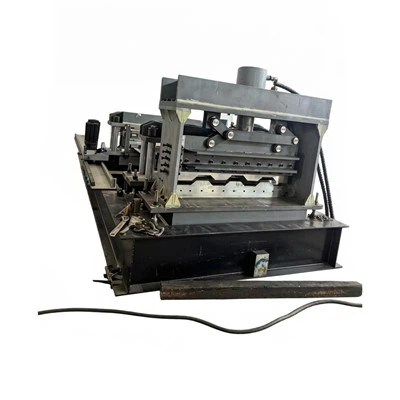
If you’re in the market for a cold roll forming machine and want to dive deeper into how it would work for your specific parts, or want to talk about options to make it as eco-friendly as possible—like solar pre-wiring, high-efficiency motors, or scrap management plans—hit us up. We don’t do the hard sell, we just give you real numbers, based on what hundreds of our customers are doing every day. Because at the end of the day, building equipment that works for you and the planet is what matters, not just checking a box for “green.”
Metal Sheet Roll Cold Rolling Forming Equipment References
- U.S. Environmental Protection Agency. (2023). Carbon Dioxide Emissions Coefficients by Fuel Source.
- American Iron and Steel Institute. (2022). Life Cycle Assessment of Steel Forming Processes.
- Fabricators & Manufacturers Association, International. (2021). Energy Efficiency in Metal Forming Equipment.
- International Energy Agency. (2020). Metal Production and Use: Climate Change Impacts and Solutions.
Wuxi Yuanding Machinery Manufacturing Co., Ltd.
Address: Yaguang Industrial Park, No. 88 Chaoyang South Road, Xishan District, Wuxi City, Jiangsu Province
E-mail: 13861798466@163.com
WebSite: https://www.wxyuanding.com/
