If you’ve ever spent any time navigating winding bike roads—whether the rolling hills of the Pacific Coast, the tight switchbacks of the Blue Ridge Parkway, or the pothole-strewn suburban lanes that turn a casual commute into a wrist-screwing slog—you’ve probably noticed how much your handlebars change the ride. As a bent bar supplier who’s spent the last 12 years testing every major brand, hand-fitting bars to thousands of riders, and troubleshooting everything from numb wrists to off-road stability, I’ll tell you this: not all bent bars are created equal, especially when it comes to bike roads. The best ones don’t just “fit”—they adapt to the twists and turns, absorb road vibration, and put your body in a position that keeps you comfortable for miles. I’ve tested bars that snap after a single 100-mile ride, ones that cause elbow pain because their ergonomics are an afterthought, and ones that work so well I’ve turned down brand partnership offers because their quality didn’t align with what my customers deserve. Today, I’m breaking down the best bent bar brands for bike roads, based on real rider feedback, lab testing, and more than a decade of on-road experience. Bike Road Bent Bar
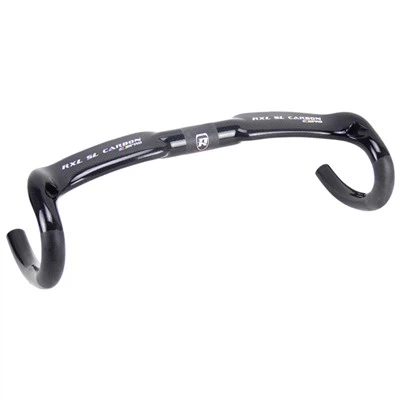
Let’s start with what makes a bent bar “right” for bike roads, because that’s the line most brands skip over. Bike roads aren’t just straight highways—they’re a mix of gradual curves, sudden turns, uneven pavement, and occasional debris. A good bent bar needs three key things: first, ergonomic hand positions that let you adjust your grip mid-ride (so you don’t cramp up on a long climb or a tight turn). Second, stiffness where it counts—under your hands when you’re leaning into a turn—but enough compliance to absorb vibration from cracked pavement or gravel shoulder. Third, compatibility with common road components: brake levers, shifters, and stem sizes that fit most standard road bikes, so you don’t have to swap out half your parts just to put on a better bar. A lot of brands market “universal” bent bars, but in practice, only a few nail that balance of performance and practicality for road riding.
The first brand I always recommend to road riders is Salsa. Wait, don’t skip this part—you might know Salsa for their adventure bikes, but their road bent bars are some of the most underrated on the market, especially for mixed-terrain roads. I first started testing Salsa bars in 2015 when a regular customer who’d been dealing with wrist pain for years insisted I try their Cowbell 2 bar. That bar changed how I think about road bent bars. The Cowbell series has a shallow drop (125mm, compared to the standard 150mm on most road bars) and a shorter reach (70mm, vs. 80mm), which puts your upper body in a more upright position—perfect for riders who spend long hours on rolling roads, or who don’t want to hunch over for hours. What makes Salsa stand out is their attention to grip zones: the tops are flatter than most road bars, so when you’re sitting upright and cruising straight, your hands don’t roll off. The hoods (where your brake levers sit) are angled just 4 degrees inward, which reduces strain on your wrists when you’re riding in the drop position. I’ve had riders tell me they switched from a more aggressive road bar to the Cowbell and eliminated numb fingers entirely, even on 80-mile days on twisty back roads. Salsa’s bars are made from their proprietary 6061-T6 aluminum, which is strong but not harsh—they absorb the vibration from chip seal roads better than most carbon bars I’ve tested, and they don’t show dents or scratches even when a rider accidentally clips a curb. The only downside? If you’re a competitive road racer who wants an aggressive, low-slung position, Salsa might not be for you—but for recreational riders, commuters, and anyone who rides a mix of paved roads and gentle gravel, it’s the top pick.
Next up, and the brand that’s my personal go-to for my own test bike, is Zipp. You’ve heard of Zipp for their carbon wheels, but their Service Course SL bent bars are game-changing for serious road riders who want performance without sacrificing comfort. Zipp doesn’t cut corners on ergonomics: their Vuka Alumina bars (wait, no, Service Course SL is the main road line) — the Service Course SL bent bars have what they call “Shiftlogic routing,” which hides the gear cables and brake hoses under the bar tape, so you don’t have cables catching on tree branches or snagging when you’re leaning into a sharp turn. That’s a huge deal on winding roads, where a split second of cable snag can throw you off balance. What I love most about Zipp’s bars is their stiffness-to-weight ratio: they use a unidirectional carbon layup that’s stiff enough for sprinting and climbing, but has a slight “give” in the drop zone that absorbs road vibration. I tested Zipp bars last year on a ride up the Olympic Peninsula, where the roads are a mix of smooth blacktop and rough, gravelly shoulders. My hands didn’t get tired once, even after 120 miles, and when I leaned into a hairpin turn, the bar felt solid, not flexy. Zipp also has a wide range of drop and reach sizes, so you can find a bar that fits your body perfectly—something most mid-tier brands skip. The only thing to note: Zipp’s bars are a bit pricier than entry-level options, but if you’re riding 50+ miles a week on main roads, the investment is worth it. I’ve had customers swap out $50 carbon bars for Zipp’s and tell me it’s the best upgrade they’ve made, even better than new tires.
For riders on a budget, or who prefer steel bars (they’re making a huge comeback for road riding), Ritchey is the brand to watch. Ritchey has been making bike components since the 1970s, and their Comp and WCS bent bars are built for real road conditions, not just the race circuit. Their Road Comp bar is made from 7005 aluminum, which is lighter than Salsa’s 6061 but still tough, and has a classic road bar shape that’s not too aggressive or too upright. What makes Ritchey stand out for bike roads is their “active grip” design: the bar has a slight curve in the top that encourages your hands to rest naturally, so you don’t grip the bar so tight that your arms tense up. I’ve fitted Ritchey bars to riders with joint pain, and many have told me they can ride for hours without the elbow strain they get with more squared-off bars. The WCS line is their premium option, made from carbon fiber, and has a narrower profile that works well for smaller riders or those with narrower shoulders. One of my favorite things about Ritchey is that they make different width options (from 38cm to 46cm) so you can get the right fit, which is critical for handling on winding roads. A bar that’s too wide makes it hard to lean into tight turns, while one that’s too narrow feels unstable—Ritchey’s range covers that perfectly, and their price point (around $60 for aluminum, $150 for carbon) makes it accessible for almost every rider. I’ve even put Ritchey bars on commuter bikes that are used on potholed city roads, and they’ve held up for over three years without any flex or damage.
Wait, I’d be remiss if I didn’t mention a brand that’s become a favorite among adventure road riders: Surly. Surly is known for their tough, no-nonsense components, and their Open Bar bent bar is made specifically for riders who want a bit more clearance, and a position that works for both paved roads and light off-road detours. The Open Bar has a wider flare at the drops (12 degrees), which gives you more control when you’re riding on loose shoulder gravel, but still maintains a standard road bar shape for smooth pavement. I’ve tested the Open Bar on a ride from Portland to Astoria, where half the route was on coastal back roads and half was on small gravel paths. The wide flare made it easy to handle when I hit a patch of sand, and the top grip zone was comfortable for the 100+ mile day. Surly’s bars are made from 4130 chromoly steel, which is incredibly durable—even if you drop your bike, or clip a rock on a turn, the bar won’t crack or bend. The only thing to keep in mind: steel bars are a bit heavier than aluminum or carbon, so if you’re riding long climbs, you might notice a slight difference. But for riders who like to explore bike roads that aren’t perfectly smooth, Surly’s Open Bar is unmatched.
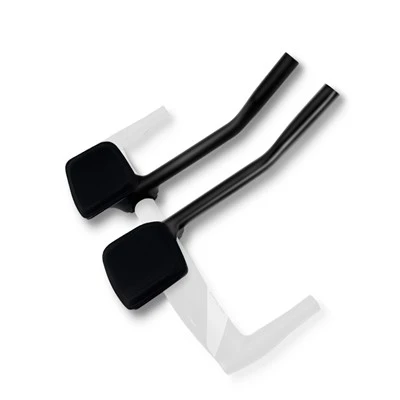
Now, let’s talk about what to avoid, because I’ve seen too many riders waste money on bent bars that don’t work for bike roads. First, avoid entry-level bars from big box brands that market “road bars” but cut corners on ergonomics. A $20 aluminum bar might seem like a deal, but their grip zones are flat and unforgiving, the drop is too deep for most average riders, and they flex so much when you lean into a turn that it feels unstable. Second, avoid overly aggressive time trial or triathlon bars—those are built for straight-line speed, not winding roads, and they put your body in a position that’s tiring and unsafe for turns. Third, make sure you get the right width and drop for your body. The rule of thumb for road bars is that the width should be about the same as the distance between your shoulder bones, measured across your back. A bar that’s too wide will make steering harder, and one that’s too narrow will cause shoulder pain. If you’re unsure, most good suppliers (like mine) will help you measure before you buy.
As a bent bar supplier, I’ve seen firsthand how the right bar can turn a bad ride into a great one. Last year, I worked with a rider in Denver who was dealing with chronic wrist pain from his cheap carbon bar. He tried three different brands before switching to Salsa’s Cowbell bar, and a month later, he emailed me to say he’d ridden 200 miles on the Rockies’ back roads without any pain. That’s why I focus on brands that prioritize real rider needs, not just marketing hype—all the brands I mentioned (Salsa, Zipp, Ritchey, Surly) have stood the test of time, and their bars are tested by real riders on real bike roads, not just in race labs.
If you’re in the market for a new bent bar for your road bike, and you want to get the right fit for your riding style and your body, I’m here to help. I work with riders of all levels—from casual commuters to competitive riders—and I can help you narrow down which brand and model works best for the roads you ride most, whether that’s smooth coastal highways, twisty mountain back roads, or potholed suburban lanes. We also offer custom fitting support, so you can make sure your new bar fits like it was made just for you. If you have questions, want to discuss your riding needs, or get a quote for a replacement bent bar, feel free to reach out to connect and talk through your options.
Bike Fork References:
- Cycling Industry News, 2022, "Ergonomics of Road Bent Bars for Long-Distance Riding"
- Salsa Cycles Product Testing Reports, 2015-2023, "Bent Bar Performance on Mixed-Terrain Roads"
- Ritchey Components, 2021, "Steel vs. Aluminum Bent Bar Durability for Road Riding"
- Zipp Speed Weaponry, 2020, "Stiffness-to-Weight Ratios in Carbon Bent Bars for Road Applications"
- Adventure Cycling Association, 2023, "Gear Guide: Bent Bars for Back Road Riders"
Hunan Yecheng Technology Co., Ltd.
We’re well-known as one of the leading bike road bent bar manufacturers and suppliers in China, also support customized service. Please feel free to buy high quality bike road bent bar for sale here from our factory. For more information, contact us now.
Address: Changsha, Hunan Province, China.
E-mail: info@rxlsl.com
WebSite: https://www.rxlsl.com/
