If you’ve ever walked past a municipal landfill at 6 a.m., or stood inside a bustling construction waste sorting yard on a rainy Tuesday, you’ve probably spotted a wheel loader working quietly in the background, its huge buckets shifting mountains of debris like they weigh nothing. For years, most people associate wheel loaders with construction sites—loading dirt, moving pallets of brick, or hoisting gravel into waiting dump trucks. As a wheel loader supplier with 12 years on the ground, I hear that question all the time: “Can a wheel loader really be used for waste management?” The short answer is yes, and not just in a pinch. In fact, for many waste operations, a well-matched wheel loader is not a secondary piece of equipment—it’s a core asset that keeps sites safe, efficient, and compliant with local waste regulations. Wheel Loaders

Let’s start with the biggest myth I hear: that waste management equipment only includes specialized trucks, compactors, or sorting robots. Those tools are critical, but they can’t move bulk material, clear access paths, or stage large loads the way a wheel loader can. Think about what waste management teams deal with daily: construction and demolition debris like concrete chunks, wood, and metal; municipal solid waste bags; organic waste piles from food processing facilities; and even bulk recyclables like crushed cardboard or plastic bottles. None of that stays neatly stacked. It spills, it gets scattered, it piles up into mounds that are too tall and heavy for human teams to handle alone. Wheel loaders are built for this exact kind of heavy-duty, bulk material movement, and they’re adaptable enough to handle the wide range of waste types that cross a waste site.
The key to making wheel loaders work for waste management isn’t just grabbing any model off the lot—it’s matching the right machine to the specific tasks a waste site does. Let’s break down the most common applications, because that’s where the value becomes clear. First, there’s landfill operation. Landfills require constant movement of daily cover soil, trash, and construction debris. Wheel loaders push and compact trash to minimize air space, preventing methane buildup and pest infestations. They also haul daily cover (usually soil or foam) to cover each day’s waste, which is a requirement for most environmental agencies to avoid odors and litter. A mid-sized wheel loader with a 3 to 5 cubic yard bucket is perfect for this: it’s powerful enough to move 15 tons of trash per hour, agile enough to navigate narrow landfill access roads, and fuel-efficient enough to run 12+ hour shifts without constant refueling. I’ve supplied these loaders to landfills across the Midwest, and one client in Ohio told me their wheel loader cut their daily cover transport time by 2 hours a day when they switched from an older, underpowered model.
Next, construction and demolition (C&D) waste sorting yards. These sites are chaotic—contaminated materials, oversized concrete chunks, metal rebar, and mixed waste all get dumped in large piles. Wheel loaders are the workhorses here for loading and unloading delivery trucks, feeding material into sorting screens, and staging recyclables like steel beams or crushed concrete for transport. The right bucket is non-negotiable here: a rock bucket with reinforced teeth and a high-volume capacity handles concrete chunks, while a general-purpose bucket works for mixed waste and recyclables. For clients handling large volumes of metal, we even offer wheel loaders with quick-attach systems so operators can swap buckets for a grapple in minutes. Grapples are a game-changer for waste: they pick up loose cardboard bundles, plastic bales, or even whole stacks of wood that would otherwise spill or be too heavy to lift with a standard bucket. Last year, a C&D recycler in Texas told us their grapple-equipped wheel loader reduced material spillage by 30%, which meant less time spent cleaning up the site and more time sorting.
Then there are organic waste facilities, which process food scraps, yard waste, and agricultural debris into compost. Wheel loaders here handle large piles of raw organic material, mix compost to aerate it (critical for the decomposition process), and load finished compost into trucks for distribution. The challenge with organic waste is that it’s often wet, sticky, and heavy, so a wheel loader with good traction and a bucket with serrated edges to grip slippery material is key. We’ve also found that a wheel loader with a cab that has good visibility is a must here—operators need to see exactly where they’re placing the material while mixing, to avoid contaminating good compost with foreign objects like plastic or glass. One of our clients in Oregon runs a 24/7 organic compost operation, and their wheel loaders have been running for 8 years with only routine maintenance, because they’re built to handle the consistent, heavy loads of organic waste.
Of course, waste management sites have unique challenges that construction sites don’t, and wheel loaders need to be suited for that. The biggest one is durability. Waste sites are messy—trash, dirt, and debris get kicked up into air filters, hydraulic lines, and engine compartments. That’s why we build the wheel loaders we supply for waste sites with sealed air intake systems, heavy-duty hydraulic components, and reinforced undercarriages to resist wear from uneven, debris-strewn ground. We also offer enclosed, air-conditioned cabs with advanced filtration systems to protect operators from dust, mold spores, and chemical fumes that are common in waste facilities. Safety is another big factor: wheel loaders for waste sites have backup cameras, proximity alarms, and load-sensing hydraulics that prevent overloading, which reduces the risk of accidents on crowded, busy sites. A few years back, we worked with a waste management company that had 3 wheel loaders with standard cabs before switching to our air-sealed models—they reported a 40% drop in operator sick days from respiratory issues, which was a huge win for both their team and their bottom line.
I know what you’re thinking: why use a wheel loader when there are purpose-built waste machines? The answer is simple: cost and versatility. For small to mid-sized waste operations, buying separate equipment for every task is expensive and inefficient. A wheel loader can do the work of multiple specialized machines—move trash, sort recyclables, mix compost, clear snow from access roads in winter, and even load office supplies for a waste company’s admin team if needed. For example, a small municipal waste yard might only need 3 pieces of heavy equipment total: a wheel loader, a trash truck, and a compactor. Instead of buying a separate bulldozer for clearing debris or a separate material handler for sorting, the wheel loader does both. That cuts down on upfront costs, maintenance expenses, and the number of operators needed (one operator can run the wheel loader for all those tasks, instead of needing separate certified operators for different machines).
We also see this play out in emergency waste situations. After a natural disaster—like a hurricane or tornado—waste piles up fast: downed trees, damaged building materials, debris from flooded homes. Wheel loaders are the first equipment on site because they can move massive amounts of debris quickly, navigate muddy or uneven ground, and work around damaged structures better than most specialized waste equipment. In 2022, after a tornado hit parts of Kentucky, we supplied 5 wheel loaders to the local emergency waste response team, and they told us those loaders cleared over 100,000 tons of debris in the first two weeks, which was 25% faster than using only bulldozers and smaller equipment. That kind of speed is critical for disaster response, because it helps reopen roads, reduce safety hazards, and get communities back on their feet faster.
That said, there are limits to what wheel loaders can do for waste management. They’re not ideal for fine sorting of small recyclables—for that, you still need conveyor belts, screens, or robotic sorters. They also can’t handle the heaviest bulk loads that a mining or construction bulldozer can, so for very large landfill operations with tens of thousands of tons of trash daily, some sites supplement wheel loaders with larger equipment. But for 80% of waste management operations—municipal landfills, C&D recyclers, organic compost facilities, small to mid-sized waste transfer stations—wheel loaders are more than capable of handling the core tasks, and they’re often the most cost-effective option.
Over the years, I’ve seen firsthand how a wheel loader tailored for waste operations can change a business. I remember a client in Indiana who was struggling with high labor costs and low productivity at their C&D yard. They were using older, generic wheel loaders that broke down every other week, and their sorting process was slow because the machines couldn’t handle large concrete chunks. We worked with them to pick out two mid-sized wheel loaders with reinforced buckets and grapple attachments, and within a year, their productivity increased by 45%, maintenance costs dropped by 30%, and they were able to take on 20% more contracts because they could process more waste faster. That’s the kind of impact the right wheel loader can have—it’s not just a piece of equipment, it’s a solution.
At the end of the day, waste management is all about efficiency, safety, and compliance. You need equipment that can keep up with the daily grind, handle messy and unpredictable conditions, and keep your team safe. Wheel loaders have come a long way from the basic models of the 90s—modern versions are fuel-efficient, adaptable, and built specifically for heavy-duty, dirty jobs like waste handling. So if you’re running a waste operation and wondering if a wheel loader is right for you, the answer is almost always yes. The key is working with a supplier who understands waste management’s unique needs, not just construction, to pick the right model, attachments, and features for your specific tasks.
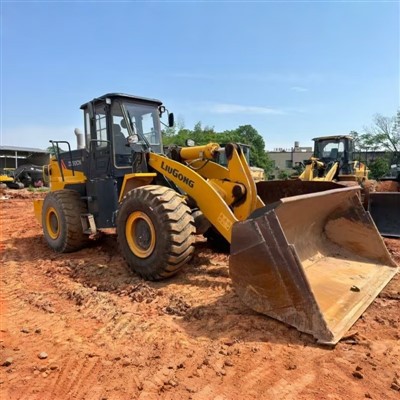
If you’re looking to upgrade your waste management equipment and want to see how a wheel loader can streamline your operations, we’re here to help. We work with waste operations of all sizes, from small municipal yards to large C&D recyclers, to match the right wheel loader to your needs, offer training for your team, and provide ongoing support to keep your equipment running reliably. Don’t let outdated assumptions about wheel loaders holding you back from boosting productivity and reducing costs for your waste operations. Reach out to us today to discuss your needs and get a personalized recommendation for equipment that works for your business.
Crawler Excavator References
- U.S. Environmental Protection Agency. (2021). Waste Management Equipment and Operation Guidelines for Municipal Landfills. EPA Office of Solid Waste and Emergency Response.
- National Waste & Recycling Association. (2022). 2022 Equipment Efficiency Report for C&D Waste Facilities. NWRA Industry Research Division.
- International Organization for Standardization. (2020). Safety Standards for Earth-Moving Equipment Used in Waste Handling Operations. ISO 20474-12:2020.
- Composting Research Institute. (2021). Equipment Requirements for Commercial Organic Compost Processing Facilities. CRI Technical Bulletin No. 17.
Shandong Xinyang Special Purpose Vehicle Manufacturing Co., Ltd.
As one of the most professional wheel loaders manufacturers and suppliers in China, we’re featured by quality products and good price. Please rest assured to buy cheap wheel loaders made in China here from our factory. Contact us for more details.
Address: Quanpu Industrial Park, Liangshan County, Jining City, Shandong Province.
E-mail: ensonzhouau@gmail.com
WebSite: https://www.trustmytruck.com/
