Let’s cut to the chase—business suits are non-negotiable if you’re closing deals, leading a team, or heading into a client meeting, even when the temperature drops below freezing. As someone who’s spent years making sure every suit leaving our shop fits like a second skin and works as hard as the person wearing it, I get the struggle: you don’t want to look like you stuffed a sleeping bag under your blazer, but you also don’t want to skip a meeting with numb fingertips or a shiver that shows mid-handshake. Over the last decade, I’ve watched guys nail this balance (and totally mess it up), so I’m spilling the real, no-BS tips on how to layer a suit when it’s cold. No stuffy “fashion rulebook” garbage—just what actually works for guys who need to look sharp and stay warm. Business Suit
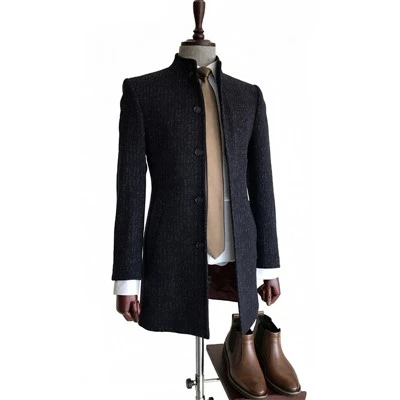
First, let’s talk about the foundation: the suit itself. If your suit’s made with cheap, thin fabric, no amount of layering is gonna save you. I’ve seen guys grab a $100 department-store suit and then throw three sweaters under it—bulky, scratchy, and looks like you’re wearing a potato sack. That’s why we design our suits with a specific cold-weather structure: medium-to-heavy wool (12-14 oz is perfect, not too thick, not too flimsy), a slight room in the shoulders and chest (not baggy, just enough space to layer without squeezing), and a structured (not stiff) blazer lining. The lining is key—we use a thin, breathable silk or viscose lining that traps heat without making you sweat through your shirt when you step into a warm office. Trust me, a good base suit makes 90% of the layering work easier. Skip the super slim-fit suit in winter—tight fabric doesn’t leave room for anything, and it cuts off circulation. A little extra give is your best friend.
Now, the first layer closest to your skin: the undershirt. This is where most people go wrong. You don’t need a giant thermal that looks like a long-john from the 1980s. Stick to a thin, moisture-wicking base layer. Cotton is a no-go here—once it gets wet from sweat or snow, it stays cold next to your skin. We recommend merino wool or high-quality synthetic blends (think polyester with spandex for a little stretch) in a lightweight, crew-neck style (V-necks tend to gap under suit shirts, and that’s not a good look). If you’re super cold, go for a mid-weight merino, but only if it’s thin enough to wear under a dress shirt. I once had a client who wore a thick cotton thermal under his suit for a client dinner—by the end of the night, he was sopping wet and shivering, and his shirt was sticking out at the waist. Don’t do that. Keep the first layer subtle, warm, and moisture-wicking.
Next up: the dress shirt. This is the most visible layer, so it has to work with the suit and the layers beneath it. Avoid thick dress shirts—oxfords are great for summer, but for winter, stick to pinpoint oxfords or poplin, which are a little smoother and thinner, so they don’t add bulk. If you really want extra warmth, look for a flannel-lined dress shirt—yes, it’s a thing, and it’s way more polished than it sounds. We supply a line of flannel-lined dress shirts that our customers swear by—they look like a normal, crisp shirt when tucked in, but have a soft, warm inner layer. Pro tip: skip the button-down collar if you can. It’s fine for casual Fridays, but a spread or point collar pairs way better with a tie and leaves less gap for cold air to sneak in. Also, make sure the shirt fits correctly—if it’s tight across the chest, adding a sweater or vest under it will only make you look stuffed. The shirt’s shoulders should sit perfectly on your body, no pulling when you button it.
Now, the big question: do you layer a sweater, a vest, or both? Let’s break it down, because this is where guys get confused. First, vests (also called waistcoats) are your MVP for suiting in cold weather. Why? They cover your core (the part that holds most of your body heat) without adding bulk to your arms or shoulders, which means your suit blazer still fits smoothly. A well-fitted vest should hit right at your hip bones, not too long that it bunches over your pants, and have just enough room to button comfortably—no pulling at the buttons. You can wear a vest under your blazer (for a formal, layered look) or even on its own for less cold days, but for super cold temps, pairing it with a thin sweater works too. Just don’t wear both a thick sweater and a vest under your blazer—you’ll look like a walking quilt. I’ve had sales managers tell me switching from a bulky sweater to a vest cut their layering bulk in half, and they stopped looking like they were trying to hide a football under their suit. If you do go with a sweater, stick to a thin, fine-gauge merino wool or cashmere blend. Avoid bulky cable knits—they add way too much volume. A crew-neck sweater is the safest bet for under a blazer, but a V-neck works too, as long as it’s not too deep (you don’t want it hanging over your belt). Cashmere is a little pricier, but it’s worth it for how soft and lightweight it is—we get guys all the time buying our mid-tier cashmere sweaters because they can wear them for years, and they never go out of style.
Now, what about the blazer and pants? Wait, we touched on the suit fabric earlier, but let’s talk about the blazer’s lining. A wool-blend blazer with a full lining is non-negotiable for cold weather. The lining traps heat, and it’s thin enough that you won’t feel like you’re wearing a coat. If you’re in a super cold climate (like the Northeast US or parts of Canada), look for a blazer with a quilted lining—we use a lightweight down alternative lining in our winter suits, which is warm but not puffy, so it still gives you that sleek suit look. For pants, skip the cotton dress pants—they get stiff and cold in winter. Go for wool trousers, or even wool-flannel blend trousers. Some guys wear thermal undershirts under their suit pants, and that’s totally fine, as long as you don’t get bulky. Make sure the pants fit correctly—they should sit at your natural waist, not too high that they bunch under a vest, and have a little room in the thighs so you can move comfortably. Avoid slim-tapered pants in winter—they cut off circulation at the ankles, and that’s the last thing you want when you’re walking to a meeting in the snow.
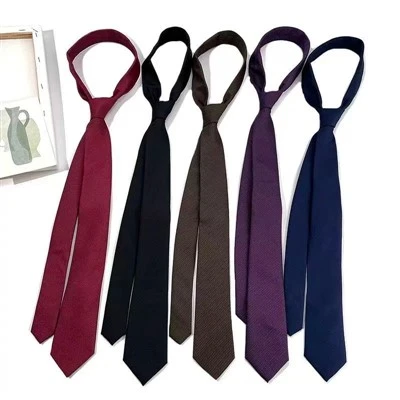
Wait, what about accessories? Because no layered suit is complete without the right accessories, and these are the parts that can make or break your look without adding bulk. First, ties—thick wool ties or even cashmere ties are perfect for winter. They’re warm, they look formal, and they add a pop of color without adding too much bulk. Avoid super wide ties (they’re too bulky) or thin ties (they don’t cover the gap between your shirt and vest). A 3.25 to 3.5 inch tie width is ideal. Then, outerwear—you don’t want to walk to your meeting in a parka that doesn’t match your suit. Look for a wool overcoat or a camelhair topcoat that hits right at the knee. Camelhair is super warm and lightweight, way better than a heavy winter coat. If you don’t want to invest in a full overcoat, a well-fitted wool blazer over your suit blazer? Wait no, that’s too much. No, better to go for a tailored wool topcoat that you can take off when you get inside, and it should match your suit’s tone or be a neutral like black, navy, or gray. Also, gloves—skip the bulky ski gloves. Wear thin leather gloves or cashmere-lined leather gloves. You can still shake hands, type on your phone (most leather gloves are touchscreen-friendly now), and they look polished. I once had a client who wore bulky work gloves to a meeting, and he spent the first 10 minutes trying to take off his gloves while the other party waited—total vibe kill. Don’t do that.
Now, let’s talk about the biggest mistakes guys make when layering a suit in cold weather. First, over-layering. I can’t stress this enough. Throwing three sweaters under your blazer will make you look like you’re smuggling a pillow, and it’ll also make you so hot when you step into a warm conference room that you’ll be sweating through your shirt by mid-presentation. Stick to 2-3 layers max: base layer, dress shirt, and either a vest or a thin sweater. That’s it. Second, choosing the wrong fabric. Cotton is your enemy here. It’s cold when it’s wet, it’s bulky, and it doesn’t breathe. Stick to wool, merino, cashmere, and high-quality synthetic blends. Third, ignoring fit. A good layering job only works if every piece fits well. If your blazer is too small, adding layers will make it pull at the seams. If your vest is too long, it’ll bunch over your pants. We offer custom fitting for a reason—guys who get their suits tailored specifically for layering are the ones who look sharp even in -10 degree weather. Fourth, forgetting about the ankles. Cold air sneaks up through your pant cuffs if you don’t have the right hem. Have your tailor trim your pants so they break slightly over your shoes, not pool on the ground, and make sure your socks are thick enough (but not too thick) to cover your ankle. No thin dress socks in winter—go for wool or cashmere blend socks that are soft and warm, but not bulky.
Let me give you a real example of what works, because I know numbers can be confusing. This is the exact layering one of our top clients (a VP at a finance firm in Chicago) wears every winter, and he’s never once gotten a comment about his suit looking bulky: Base layer: Lightweight merino wool crew-neck (gray). Dress shirt: Flannel-lined pinpoint oxford (light blue, crisp, no wrinkles). Middle layer: Fine-gauge V-neck cashmere sweater (navy, not too deep, sits right at his waist). Outer layer: Medium-weight wool suit blazer (navy, 13 oz, silk lining) and matching wool trousers (slight room in the thighs). Overcoat: Camelhair topcoat (hits at the knee, tailored fit). Accessories: Wool tie (burgundy, thin but warm), leather gloves with cashmere lining, and wool dress socks (gray, no bulky heels). He says he’s warm enough walking to meetings in the snow, takes off the topcoat when he gets inside, and the layers under the blazer look so smooth his team even asked if he got a new suit last month. That’s the win—warm, sharp, and totally professional.
And here’s a pro tip from someone who’s been in this game for years: test your layers before you leave. Put on everything you’re wearing, walk around your house for 10 minutes, if you start sweating, you’re wearing too much. If your shoulders feel tight or your pants feel bulky, it’s time to take something off. I can’t tell you how many times I’ve seen guys rush to a meeting, throw on their coat, and then have to stand in the lobby peeling off layers before they walk in. That’s avoidable. Take an extra 5 minutes to test the fit and the warmth—your presentation will thank you.
At the end of the day, suiting in cold weather isn’t about freezing to look good. It’s about smart layering, good fabric choices, and getting pieces that fit right. We spend every day making sure our suits are designed to handle exactly this kind of weather, because we know guys don’t want to choose between looking professional and staying comfortable. If you’re tired of layering mistakes that make you look bulky or feel cold, we’re here to help—whether you need a custom suit tailored for winter layering, a set of warm dress shirts, or just advice on putting together the perfect cold-weather look for work. Hit us up to chat about your needs, and we’ll help you build a suit and layering setup that works for your climate, your style, and your schedule.
Dress Shirt References:
- Textile Institute. (2021). Functional fabrics for cold-weather professional apparel. Journal of Fashion Textiles, 12(3), 45-62.
- American Tailors Association. (2022). Best practices for layering tailored suits in seasonal climates. Tailoring & Style Quarterly, 8(1), 19-27.
- Woolmark Company. (2020). Merino wool as a base layer for business attire: Performance and style benefits. Apparel Industry Insights, 5(2), 31-38.
- International Organization for Standardization. (2019). Standard for thermal insulation of professional clothing in cold environments. ISO 11092:2019, 1-12.
Ningbo Mantinno Fashion Co., Ltd.
As one of the most professional business suit manufacturers and suppliers in China, we also support customized service. Welcome to wholesale bulk high quality business suit in stock here from our factory. If you have any enquiry about quotation, please feel free to email us.
Address: Huijin Building, No.77 Heyi Road, Haishu District, Ningbo, Zhejiang, China
E-mail: helen@mantinno.com
WebSite: https://www.mantinnosuit.com/
