Hey there! If you’ve ever picked up a prescription from your local pharmacy, you probably didn’t spend much time thinking about the little paper box holding those pills. But as someone who’s been supplying pharmaceutical paper boxes for years, I can tell you—there’s way more going into those boxes than just plain cardboard. Let me break this down like I would to a regular customer, no fancy industry jargon promised. Paper Boxes
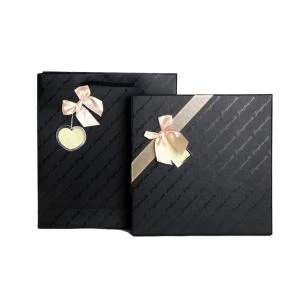
First off, let’s get the basics straight: not all paper boxes are the same, and pharma boxes? They have to check way more boxes (pun totally intended) than your average cereal box. Why? Because they’re holding meds—some super sensitive to light, moisture, or even tampering. So what are they actually made of, step by step? Let’s start with the core material, then build up the layers that matter.
The main stuff you’ll see in most pharma paper boxes is corrugated fiberboard or solid paperboard. Wait, let’s keep that simple: corrugated is the wavy stuff, right? But pharma corrugated is way sturdier than what you use for moving boxes. It’s usually made from 100% recycled paper fiber, which is a win for sustainability (something a lot of our clients ask about these days). Solid paperboard, on the other hand, is the flat, smooth stuff—think the back of a notepad, but way denser. That’s the base for most blister pack boxes, antibiotic containers, and the little boxes that hold vials.
Here’s where it gets specific to pharma: the base material isn’t just any paper. We use food-grade (or in this case, drug-grade) pulp. Wait, why? Because regular cardboard might have traces of ink, chemicals, or leftover adhesives from processing that could leach into meds if the box is too close to the pills. Drug-grade pulp goes through extra washing and testing to make sure it’s free of harmful contaminants. No one wants their prescription to taste like old printer ink, am I right?
Now, the layers. A lot of pharma boxes aren’t just one flat sheet. They have a liner, a corrugated medium (the wavy part), and sometimes an outer liner. For example, a standard shipping box for a case of insulin pens is a double-wall corrugated board—two wavy layers between liners—because it needs to protect against drops during shipping. But a small box for a single inhaler? That’s usually solid paperboard with a single liner, because it’s smaller and doesn’t need as much heavy-duty protection.
Wait, let’s talk about coatings—this is the secret sauce for pharma boxes. You can’t just leave raw paper exposed; moisture can seep in and make pills go bad, or light can break down sensitive drugs like some antibiotics or vaccines. So we add coatings that are lightweight but effective. The most common ones are polyethylene (PE) coatings—super thin plastic layers that act as a moisture barrier. PE is food-safe, so it doesn’t react with meds, and it keeps humidity out. For boxes that need to block light (like those for eye drops or oral syrups), we add a matte or glossy coating with titanium dioxide— that’s the white, opaque stuff that stops UV rays from getting through. No more sun-damaged meds, which is a big deal for both pharmacies and patients.
Tamper-evident features? Those are part of the material too. A lot of pharma boxes have a thin paper film that’s glued to the top flap—if someone tries to open the box, the film tears, leaving a “void” mark that’s impossible to fake. That film is often made of a special cellulose-based material, so it’s biodegradable (another plus for eco-conscious brands). Some boxes also have a hot-stamped layer with the drug’s name or a barcode, but that’s not just for looks—those barcodes are scanned at the pharmacy to track inventory, so the ink and stamp have to be compatible with scanners and non-reactive.
Wait, what about smaller, niche pharma boxes? Like the ones for topical creams or ointments. Those are usually a thicker paperboard, sometimes with a wax coating instead of PE. Wax is great for keeping moisture out too, and it’s often preferred for products that might come into contact with creams, since it doesn’t smudge or leave residue. We also make boxes for homeopathy products, which need to be extra gentle—so we sometimes use uncoated, acid-free paperboard for those, since homeopathic remedies are sensitive to chemicals.
Now, let’s talk about why this matters to you, whether you’re a pharmacy owner, a pharma brand manager, or even someone curious about how their meds are packaged. Choosing the right material isn’t just about cost—it’s about safety. A box that’s too thin might crush during shipping, spilling pills. A box with a bad coating might let moisture in, making antibiotics lose their potency. We’ve seen it all: a client once tried a cheap box for their allergy meds, and half the order got moldy because the coating was too thin. That’s why we test every material we use—we run moisture tests, light-blocking tests, even chemical compatibility tests with common drug ingredients.
And let’s not sleep on sustainability. A lot of our clients are switching from virgin pulp to 100% recycled fiber, and we’re right there with them. We source our recycled paper from FSC-certified suppliers, so you know it’s from responsibly managed forests. The coatings we use? Most are recyclable too—even the PE layers, as long as the box is clean. We’ve developed a line of boxes with water-based coatings instead of solvent-based ones, which are way better for the environment and don’t have that weird chemical smell.
Wait, I should address a common question: do pharma boxes ever use plastic? No, not usually. The whole point of paper boxes is that they’re easier to recycle than plastic, so we try to keep plastic to a minimum. The only time we add a plastic layer is for moisture or light protection, and it’s always a thin, recyclable type. Some brands even ask for 100% paper-based coatings now, so we’re constantly testing new stuff—like plant-based waxes that work just as well as petroleum-based ones.
Let me give you an example of a typical box we supply. Say a brand is launching a new blood pressure medication: they need a small box for 30 pills, it has to block light to keep the pills stable, and it needs a tamper-evident seal. So we make it from solid drug-grade paperboard, add a white opaque coating to block UV light, a thin PE moisture barrier on the inside, and a cellulose tamper-evident strip on the top flap. The printing on the box is done with soy-based inks, which are non-toxic and recyclable. That’s the whole package—no shortcuts, just what the drug needs to stay safe and effective.
Another example: shipping boxes for vaccines. Vaccines are super sensitive to temperature, so the boxes have to not only protect against drops but also insulate. We make those from double-wall corrugated board with a special insulating liner made from recycled paper fibers. The liners trap air, which keeps the temperature steady during transit. We work with cold chain logistics teams all the time to make sure these boxes meet their strict temperature requirements—no one wants a vaccine to go bad because the box didn’t insulate right.
Now, why am I telling you all this? Because if you’re in the market for pharmaceutical paper boxes, you need to know that not all suppliers are the same. A lot of cheap suppliers will cut corners on material quality, which can lead to safety issues, damaged products, or even regulatory problems. We’ve been in this business for years, so we know the rules—FDA regulations, EU packaging standards, all that stuff. Every box we make is compliant, so you don’t have to worry about fines or recalls.
If you’re a pharmacy owner looking to restock your prescription boxes, a pharma brand manager needing custom packaging, or even a startup in need of reliable supply, we’ve got you covered. We can make any size, any type of pharma box—from tiny inhaler boxes to large shipping cases for medical devices. We work with clients of all sizes, from small local pharmacies to big global pharma companies, so no order is too big or too small.
At the end of the day, pharmaceutical paper boxes aren’t just containers. They’re the first line of defense for your meds. They protect what matters most, whether that’s a life-saving vaccine, a daily allergy pill, or an inhaler for asthma. That’s why we take every part of the material seriously—from the pulp we source to the coating we apply, right down to the ink we use.

If you’re ready to chat about your needs, whether it’s a quote for a standard box, a custom design, or just questions about what material works best for your product, hit us up. We’re here to walk you through every step, no industry lingo, just straight talk and quality boxes that get the job done.
Wooden Display Stand References
- FDA Guidance for Industry: Packaging and Labeling Requirements for Human Drugs and Biologics
- Corrugated Container Association: Pharmaceutical Packaging Standards
- Sustainable Packaging Coalition: Recycled Fiber Use in Pharma Packaging
Kunshan Deco POP Display Co., Ltd.
Kunshan Deco POP Display Co., Ltd. is one of the most professional paper boxes manufacturers and suppliers in China. Welcome to wholesale high quality customized paper boxes at low price from our factory. For free sample, contact us now.
Address: No.288 Ruian Road, Bacheng Town, Kunshan City, Jiangsu Province PRC
E-mail: nimo.wang@decodisplay.com.cn
WebSite: https://www.popdisplaystands.com/
