Hey there! As a supplier of square nuts, I often get asked about the maximum temperature these little nuts can withstand. It’s a crucial question, especially when you’re dealing with high – stress and high – heat environments. So, let’s dive right in and explore it. Square Nut
Understanding Square Nuts
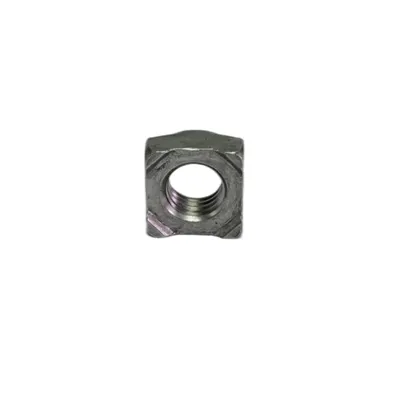
First off, for those who aren’t super familiar with square nuts, they’re a type of fastener with a square – shaped outer structure. They’re used in a whole bunch of applications, from simple DIY projects to heavy – duty industrial machinery. One of the cool things about square nuts is their larger surface area compared to hexagonal nuts. This gives them better resistance to loosening under vibration, making them a popular choice in many setups.
Factors Affecting Temperature Resistance
Now, when it comes to the maximum temperature a square nut can handle, there are several factors at play.
Material
The material of the square nut is the biggest factor. Different materials have different melting points and thermal properties.
- Steel Square Nuts: Steel is one of the most commonly used materials for square nuts. Mild steel square nuts can generally withstand temperatures up to about 300 – 400°C (572 – 752°F). At these temperatures, the steel starts to lose some of its strength, and the risk of deformation increases. High – strength alloy steels, on the other hand, can handle higher temperatures. They can often go up to around 500 – 600°C (932 – 1112°F) before significant property changes occur.
- Stainless Steel Square Nuts: Stainless steel is well – known for its corrosion resistance, but it also has decent temperature resistance. Austenitic stainless steels, like 304 and 316, can typically withstand temperatures up to about 800°C (1472°F). The chromium in stainless steel forms a protective oxide layer on the surface, which helps it maintain its integrity at relatively high temperatures.
- Brass Square Nuts: Brass is a popular choice for non – ferrous applications. However, it has a lower melting point compared to steel. Brass square nuts usually start to soften at around 300 – 370°C (572 – 698°F) and have a melting point in the range of 900 – 940°C (1652 – 1724°F).
Surface Treatment
Surface treatments can also impact a square nut’s temperature resistance. For example, if a square nut has a zinc plating, the zinc can start to melt at around 420°C (788°F). This can lead to issues like the plating flaking off and potentially affecting the nut’s performance. On the other hand, some high – temperature coatings can actually improve a nut’s ability to handle heat. These coatings can act as a barrier, reducing the heat transfer to the nut and protecting the material underneath.
Design and Size
The design and size of the square nut can play a role too. A larger square nut may have better heat dissipation properties compared to a smaller one. This is because it has a larger surface area through which heat can escape. Also, nuts with thicker walls may be more resistant to high temperatures as they have more material to absorb and withstand the heat.
Real – World Applications
Let’s look at some real – world scenarios to see how these temperature limits come into play.
Automotive Industry
In cars, square nuts are used in various components such as engines and exhaust systems. The engine can reach very high temperatures during operation. Here, square nuts made of high – strength steel or stainless steel are often used. For the exhaust system, where temperatures can soar above 500°C (932°F), stainless steel square nuts are a great choice as they can handle the heat without losing their strength.
Power Generation Plants
Power plants, whether they’re coal – fired, gas – fired, or nuclear, involve a lot of high – temperature machinery. Boilers and turbines, for example, operate at extremely high temperatures. Square nuts in these applications need to be made of materials that can withstand the heat for long periods. High – temperature alloys and stainless steels are commonly used to ensure the reliability of the fasteners.
Industrial Furnaces
Industrial furnaces can reach temperatures well over 1000°C (1832°F). In these cases, special ceramic – based or refractory fasteners are sometimes used instead of traditional metal square nuts. But for parts of the furnace where the temperature is a bit lower, say around 500 – 800°C (932 – 1472°F), high – performance stainless steel square nuts can be used.
Testing and Quality Assurance
As a square nut supplier, we take the temperature resistance of our products very seriously. We conduct a series of tests to ensure that our nuts can meet the required temperature specifications.
One of the tests we do is the heat – aging test. In this test, we expose the square nuts to a controlled high – temperature environment for a specific period. After that, we check for any changes in the nut’s dimensions, hardness, and tensile strength. If there are significant changes, we know that the nut may not be suitable for high – temperature applications.
We also use non – destructive testing methods like ultrasonic testing to check for any internal defects that could be worsened by high temperatures. This helps us ensure that only high – quality square nuts make it to the market.
Choosing the Right Square Nut for High – Temperature Applications
If you’re in the market for square nuts that can handle high temperatures, here are some tips to help you make the right choice.
- Understand Your Temperature Requirements: First, figure out the maximum temperature the nut will be exposed to in your application. This will narrow down your choices of materials.
- Consider the Environment: Apart from temperature, think about other factors like corrosion, vibration, and chemical exposure. For example, if the environment is corrosive, stainless steel may be a better choice than mild steel.
- Quality and Certification: Look for a supplier who can provide quality assurance and certifications for their products. This gives you peace of mind that the nuts you’re buying meet the necessary standards.
Conclusion
So, as you can see, the maximum temperature a square nut can withstand depends on a variety of factors, mainly the material, surface treatment, and design. Whether you’re working in a high – heat industrial setting or a simple home project, choosing the right square nut for the job is crucial.
Nuts If you’re in the market for high – quality square nuts that can handle the heat, don’t hesitate to reach out. We’re here to help you find the perfect solution for your needs. Whether you need steel, stainless steel, or any other type of square nut, we’ve got you covered. Just let us know your requirements, and we’ll work with you to ensure you get the best products.
References
- Budynas, R. G., & Nisbett, J. K. (2011). Shigley’s Mechanical Engineering Design. McGraw – Hill.
- Callister, W. D., & Rethwisch, D. G. (2015). Materials Science and Engineering: An Introduction. Wiley.
- Metals Handbook: Properties and Selection: Irons, Steels, and High – Performance Alloys. ASM International.
Jiaxing Jinling Hardware Technolgy Joint Stock Co., Ltd.
As one of the most experienced square nut manufacturers and suppliers in China, we also support customized service. Please feel free to buy bulk high-grade square nut made in China here from our factory. For quotation and price list, contact us now.
Address: No.32, Shenjiadai, Xuyouche Village, Qinshan Subdistrict, Haiyan County, Zhejiang Province, China
E-mail: jlzxl@jinlingfstn.com
WebSite: https://www.china-nut-factory.com/
