Hey there! As a supplier of glass ceramic burs, I’ve gotten a bunch of questions about how these burs affect the tooth pulp. So, I thought I’d sit down and break it all down for you in this blog post. Glass Ceramic Burs
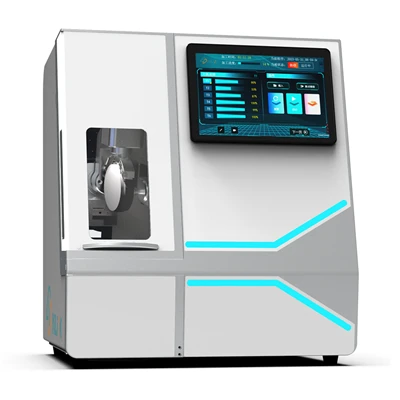
First off, let’s talk about what glass ceramic burs are. These burs are made from a special type of ceramic material that’s super hard and wear – resistant. They’re used in dentistry for all sorts of things, like cavity preparation, shaping restorations, and removing old fillings. You know, all those tasks that require precision and a sharp cutting edge.
Now, onto the tooth pulp. The pulp is the soft tissue inside the tooth, containing nerves, blood vessels, and connective tissue. It’s like the command center of the tooth, and keeping it healthy is crucial for the overall well – being of the tooth.
One of the main concerns when using any dental bur is heat generation. You see, when a bur is cutting into the tooth, friction is created, and that friction produces heat. And if too much heat is generated, it can cause damage to the pulp. Glass ceramic burs, however, have some advantages in this regard. Compared to some other types of burs, like steel burs, glass ceramic burs tend to generate less heat during cutting.
Why is that? Well, the material of glass ceramic burs has better thermal conductivity properties. That means it can dissipate heat more effectively, keeping the temperature at the cutting site lower. This is a huge plus because lower heat means less stress on the pulp. Studies have shown that when using glass ceramic burs, the temperature rise in the pulp is significantly less compared to traditional burs. So, in terms of heat – related damage, glass ceramic burs are a safer bet for the tooth pulp.
Another factor to consider is the cutting efficiency of glass ceramic burs. These burs have really sharp cutting edges, which allows them to cut through tooth structure more smoothly and quickly. When a bur can cut efficiently, it reduces the amount of time the bur is in contact with the tooth. And less contact time means less heat generation and less mechanical stress on the pulp.
Let’s say you’re using a dull or inefficient bur. It’s going to take longer to make the necessary cuts, and you might have to apply more pressure. That extra pressure and extended cutting time can not only raise the temperature but also cause mechanical trauma to the pulp. With glass ceramic burs, the sharp edges make the cutting process a breeze, minimizing these risks.
But it’s not all sunshine and rainbows. There are still some situations where glass ceramic burs can potentially affect the pulp. For example, if the dentist is not using the correct technique or if the bur is used at too high a speed, there can still be problems. High – speed cutting without proper irrigation can lead to an increase in heat generation. So, it’s important for dental professionals to be trained in the correct use of glass ceramic burs.
Irrigation also plays a key role here. Using water or another cooling agent during the cutting process helps to further reduce heat. When you use glass ceramic burs along with proper irrigation, the chances of pulp damage are even lower. It’s like a one – two punch for keeping the pulp safe.
Now, let’s talk about the surface finish. Glass ceramic burs leave a really smooth surface on the tooth after cutting. A smooth surface is important because it reduces the likelihood of bacterial adhesion. If bacteria can’t stick to the tooth surface easily, there’s less chance of infection reaching the pulp. So, in a way, the smooth cut made by glass ceramic burs can indirectly protect the pulp.
In the dental field, patient comfort is also a big deal. When using glass ceramic burs, the reduced heat and more efficient cutting can lead to less pain and discomfort for the patient. Since the pulp isn’t being subjected to as much stress, the patient is less likely to experience sensitivity or pain during and after the dental procedure. This is a win – win situation for both the dentist and the patient.
I’ve been in the business of supplying glass ceramic burs for a while now, and I’ve heard some great feedback from dental professionals. They love how these burs perform in terms of cutting efficiency and pulp protection. And let’s not forget about the durability. Glass ceramic burs last a long time, which means less frequent replacement. This can save dental clinics a good amount of money in the long run.
So, if you’re a dental professional looking for a bur that offers great pulp protection along with high performance, you should definitely consider giving our glass ceramic burs a try. Our burs are made with the highest quality materials and undergo strict quality control measures to ensure you’re getting the best product possible.

If you’re interested in learning more about our glass ceramic burs or getting a quote, don’t hesitate to reach out. We’re always here to answer your questions and help you make the right choice for your dental practice.
DC Zirconia Burs References:
- Dental Materials Science textbooks
- Peer – reviewed dental research articles on cutting efficiency and pulp protection of dental burs
Yilink (Tianjin) Biotechnology Co., Ltd.
Yilink (Tianjin) Biotechnology Co., Ltd. is one of the most professional glass ceramic burs manufacturers and suppliers in China, also supports customized service. Welcome to buy discount glass ceramic burs in stock here and get pricelist from our factory. Quality products and low price are available.
Address: No. 9, Kaituo Road, Balitai Town, Jinnan District, Tianjin
E-mail: service@yilink-dental.com
WebSite: https://www.yilinkzirconia.com/
