Installing a distribution box in a wooden structure is a task that requires careful planning, the right tools, and a good understanding of electrical safety. As a distribution box supplier, I’ve seen firsthand the importance of a proper installation. In this blog post, I’ll guide you through the process step by step, sharing insights from my experience in the industry. Distribution Box
Understanding the Basics
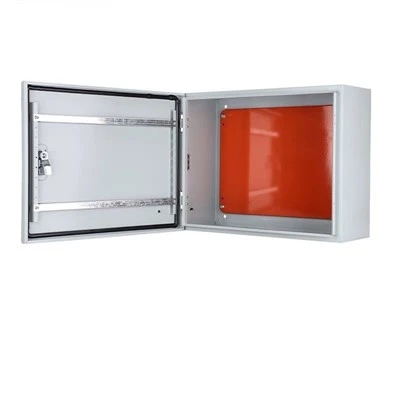
Before you begin the installation, it’s crucial to have a clear understanding of what a distribution box is and its function. A distribution box, also known as a breaker box or electrical panel, is the central hub of your electrical system. It receives power from the main electrical supply and distributes it to different circuits throughout your wooden – structured building.
There are different types of distribution boxes available in the market. You have to choose the one that suits your specific needs. Smaller residential wooden structures may only require a single – phase distribution box, while larger commercial or multi – family wooden buildings may need a three – phase system. Consider factors such as the number of circuits you need, the amperage requirements, and the available space in your wooden structure when selecting a distribution box.
Planning the Installation
Planning is the first and most vital step in the installation process. You need to assess the electrical load of your wooden structure. Make a list of all the electrical appliances and devices that will be connected to the distribution box. Calculate their total wattage to determine the appropriate amperage rating for your distribution box.
Next, choose the right location for the distribution box. It should be easily accessible for maintenance and inspection. The location should also be dry and well – ventilated to prevent overheating. In a wooden structure, avoid placing the distribution box near areas prone to moisture, such as bathrooms or kitchens. It’s also a good idea to locate it away from direct sunlight and heat sources.
Measure the space where you plan to install the distribution box. Ensure that there is enough clearance around it for proper ventilation and easy access to the breakers. The National Electrical Code (NEC) provides guidelines on the minimum clearance requirements, so make sure to follow them.
Gathering the Necessary Tools and Materials
Once you have planned the installation, it’s time to gather the tools and materials you’ll need. The tools typically include a drill, screwdrivers (both flat – head and Phillips), wire strippers, pliers, a voltage tester, and a tape measure.
In addition to the distribution box itself, you’ll need electrical wires, breakers, conduit pipes (if required), and mounting brackets. The type and size of the wires and breakers depend on your electrical load calculations. For wiring, use high – quality copper wires, as they are good conductors of electricity and are less prone to corrosion.
Preparing the Wooden Structure
Before installing the distribution box, you need to prepare the wooden structure. Start by marking the location where you’ll install the box. Use a level to ensure that the markings are straight and accurate.
If you’re mounting the distribution box on a wooden wall, you may need to reinforce the area. You can do this by installing a wooden backboard behind the mounting location. The backboard provides a solid surface for the distribution box to be attached to and helps prevent the screws from pulling out of the wooden wall over time.
Drill holes in the wooden structure for the conduit pipes (if you’re using them) and for the mounting brackets. Make sure the holes are the right size for the pipes and brackets to fit securely.
Installing the Distribution Box
Mount the distribution box on the prepared location using the mounting brackets. Use the appropriate screws to secure the box firmly to the wooden structure. Make sure the box is level and plumb.
Once the box is mounted, run the electrical wires from the main power source to the distribution box. If you’re using conduit pipes, thread the wires through the pipes first. Be careful not to damage the wires during this process.
Connect the main power supply wire to the main breaker in the distribution box. The main breaker controls the flow of electricity to the entire distribution box. Make sure the connection is tight and secure. Use a voltage tester to check for power before making any connections.
Next, install the individual breakers for each circuit. Connect the circuit wires to the corresponding breakers. The breakers protect the circuits from overloading and short – circuits. Follow the manufacturer’s instructions when installing the breakers, as different types of breakers may have different installation procedures.
Wiring the Circuits
After installing the breakers, it’s time to wire the circuits. Identify and label each circuit to make it easier to troubleshoot and maintain the electrical system in the future.
Run the wires from the distribution box to the outlets, switches, and other electrical devices in your wooden structure. Use appropriate wire sizes for each circuit based on the electrical load. For example, circuits that power high – wattage appliances like refrigerators or air conditioners will require larger – gauge wires.
Connect the wires to the outlets and switches. Make sure the connections are secure and tightened with wire nuts. Use electrical tape to insulate the connections and prevent any exposed wires from causing electrical hazards.
Testing the Installation
Once you have completed the wiring, it’s essential to test the installation. Turn off the main power supply before conducting any tests. Use a voltage tester to check all the connections in the distribution box and throughout the circuits. Make sure there are no loose or faulty connections.
Turn on the main breaker and then the individual breakers one by one. Check if the electrical devices on each circuit are working properly. If you encounter any problems, such as a breaker tripping immediately or a device not functioning, turn off the power and troubleshoot the issue.
It’s also a good idea to perform a continuity test on the circuits. This test checks if there is a continuous path for the electricity to flow. You can use a multimeter to perform a continuity test.
Safety Considerations
Electrical work is dangerous, so safety should always be your top priority. Wear appropriate safety gear, such as insulated gloves and safety glasses, when working on the distribution box and electrical circuits.
Make sure to follow all local electrical codes and regulations. If you’re not confident in your ability to install the distribution box safely, it’s best to hire a licensed electrician.
Avoid working on the electrical system in wet or damp conditions. If there is any damage to the wooden structure near the distribution box, such as water damage or rot, address it before proceeding with the installation.
Conclusion
LV Pole Mounted Circuit Breakers Installing a distribution box in a wooden structure is a complex but manageable task. By following the steps outlined in this blog post, you can ensure a safe and proper installation. As a distribution box supplier, I’m committed to providing high – quality products that meet your electrical needs. If you’re planning to install a distribution box in your wooden structure or have any questions about our products, I encourage you to reach out to me. We can have a detailed discussion about your requirements, and I’ll help you choose the right distribution box for your project. Whether you’re building a small wooden cabin or a large commercial wooden building, we have the right solutions for you. Don’t hesitate to contact me for a procurement discussion.
References
- National Electrical Code Handbook
- Electrical Installation and Maintenance Manuals from leading manufacturers
- Industry – specific trade magazines on electrical systems
Wenzhou Lanen Electrical Co., Ltd.
Wenzhou Lanen Electrical Co., Ltd. is one of the most professional distribution box manufacturers and suppliers in China, also supports customized service with low price. Please feel free to buy CE approved distribution box made in China here from our factory. Contact us for more discount information.
Address: Zhiguang Liushi Town Yueqing City Wenzhou City Zhejiang Province
E-mail: lanen@luyele.cn
WebSite: https://www.lanenelectrical.com/
