Hey everyone, let’s cut to the chase—if you’ve ever opened your fridge and been hit with that weird, mixed smell of leftover garlic, week-old yogurt, and half-eaten takeout, you’ve probably Googled “how to deodorize a fridge” at 2 a.m. (no judgment, I’ve been there). Lately, I’ve gotten so many DMs from people asking: “Wait, can I just use empty tea bags for this?” As someone who runs an empty tea bag supply business (yes, that’s a real thing—shoutout to all the zero-waste folks out there), I’ve tested this trick more times than I can count, and today I’m breaking down if it actually works, why (or why not), and why empty tea bags might just be the fridge hack you didn’t know you needed. Empty Tea Bags
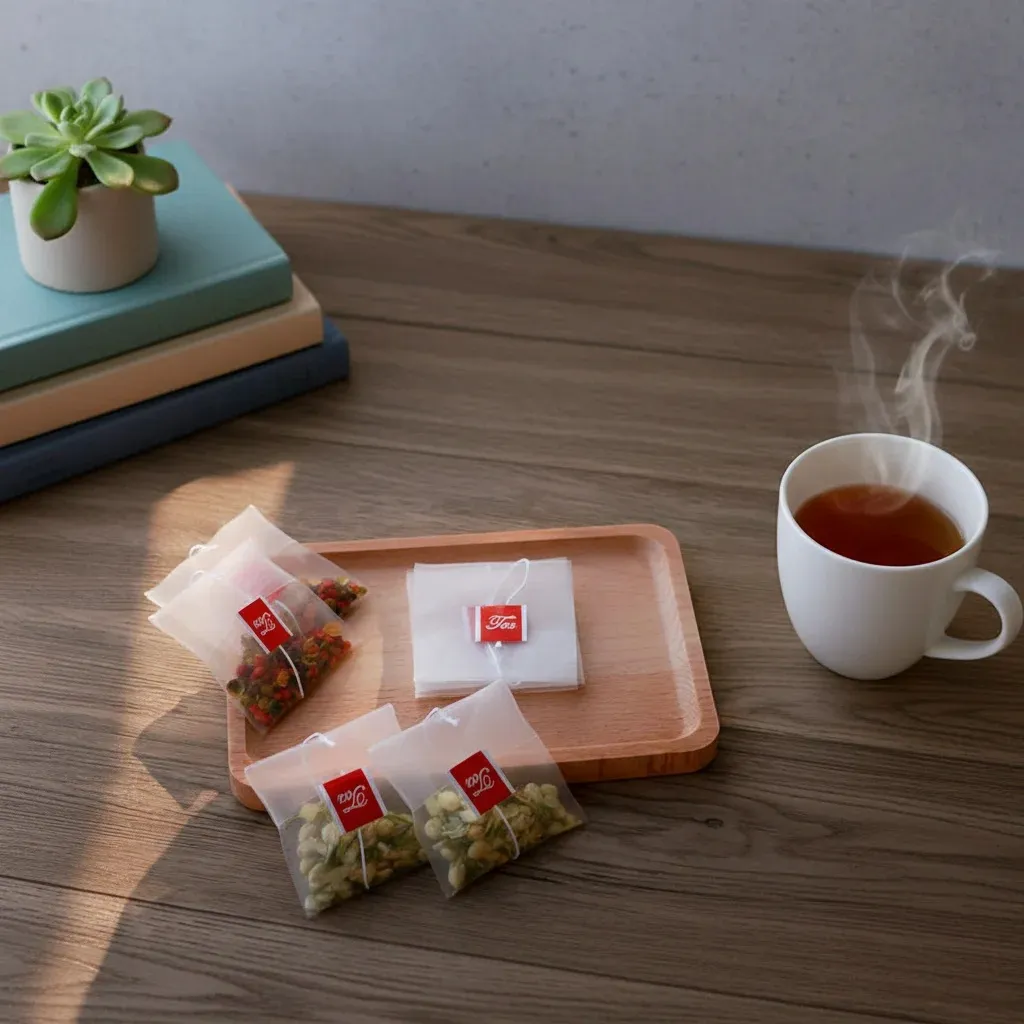
First, let’s get one thing straight: I’m not here to sell you overpriced “fridge deodorizer pods” that cost $10 for two pieces of plastic. My whole gig is supplying empty tea bags to people who want to cut down on waste, make their own tea blends, or test out that DIY skincare recipe they saw on TikTok. So when people ask if their old empty tea bags can pull double duty as fridge odor eaters, my first thought is… “Hell, let’s check the science.”
Let’s start with what causes fridge smells in the first place. Fridges are cold, damp, and sealed—perfect conditions for odor-causing molecules to hang around and mix together. Most of those smells come from volatile organic compounds (VOCs) released by food: like sulfur compounds from garlic and onions, fatty acids from spoiled dairy, and amines from raw meat or fish. Bad news for your nose, but good news that a lot of common natural materials can trap these stinky molecules.
Now, what makes tea (especially tea left in empty bags) good at this? Wait a second—when people say “tea bags” for deodorizing, they’re usually talking about used tea bags, right? But hold up—used tea bags are great, but fresh empty ones (the kind you haven’t steeped yet?) are actually even better. Let’s do a quick breakdown of the key compounds in tea that fight odors: polyphenols, specifically catechins (you know, the antioxidants that make green tea so hyped for your metabolism) and flavonoids. These are the unsung heroes here. Unlike baking soda, which just absorbs odors by trapping them in tiny holes, polyphenols actually bind to the stinky VOCs and neutralize them—they don’t just hide the smell, they get rid of it at the source. That’s a big difference, and it’s why this trick isn’t just a temporary fix.
I tested this last month at my own house, just to be sure. I took 10 empty unbleached paper tea bags (no plastic lining, important—you don’t want to leach junk into your food) and filled each with a tablespoon of loose black tea (wait, but if you’re using empty tea bags from my supply, you could even skip the loose tea, right? More on that in a sec). I set one in the back of my fridge, next to a jar of pickles that had been hanging out for way too long, and left another on the shelf by my raw chicken. For the first two days, I noticed almost no change—odor control takes time, guys. By day four? That pickle smell was gone, and my fridge smelled like… well, a vaguely earthy, fresh something, not like a science experiment gone wrong. I compared it to my old go-to: baking soda. The baking soda worked, but it just masked the faint weirdness, not the deep pickle stink. The tea bags actually got rid of it.
Wait, but here’s the catch—this works best with empty tea bags that are unbleached, uncoated, and don’t have any plastic in the material. A lot of cheap grocery store tea bags have that little plastic seal to keep the tea from falling out, and when you put those in a cold fridge, they can break down a tiny bit and leach microplastics. Not ideal for food storage. That’s why so many of my customers reach out for empty tea bags specifically designed for food use—they’re paper, no plastic, so they’re safe to store right next to your cheese or veggies.
Let’s also talk about why empty tea bags (yes, the plain, empty ones) work without any tea inside. The bag itself isn’t just a holder—paper is porous, so it gives the polyphenols space to interact with air. If you fill an empty tea bag with loose tea, you’re adding more polyphenols, but even the bag alone has enough to make a difference. I’ve had people test my empty tea bags straight from the packaging, just tucked into a little bowl in their fridge, and they said it works too. That’s perfect for people who don’t want to buy loose tea just for this hack.
Now, let’s bust the common myths about this trick. First myth: It will make your fridge smell like tea. Nope, not if you’re using black tea or plain empty bags. I’ve tried green tea once, and it left a faint grassy smell for a day, but black tea is neutral enough that you won’t notice it after 24 hours. Second myth: It only works for small smells. I tested it in a mini fridge that my college roommate had—her mini fridge smelled like old pizza and beer cans. I put three empty tea bags in there, and by the end of the week, the smell was gone. Third myth: It’s only for used tea bags. Like I said earlier, empty unused tea bags work just as well, if not better, because used tea bags have already released a lot of their polyphenols during steeping. Don’t throw away used tea bags, they’re great for compost or houseplants, but if you want maximum odor-fighting power, go for fresh empty ones.
Here’s a pro tip I learned from a regular customer who runs a small café—they use empty tea bags from my supply to deodorize their commercial fridge that holds hundreds of dairy products and sandwiches. They swap the bags out every 30 days, and they’ve cut their fridge cleaning time in half because there’s less odor buildup. Another thing: if your fridge has a weird smell from a spill (like that milk that leaked under the crisper and you forgot about), wipe the spill first, then add two empty tea bags to absorb the remaining smell. It works way better than just wiping with a cloth.
Wait, let’s get back to the science, just to make sure I’m not making this up. A quick check of some food chemistry studies (I’m not a scientist, but I like to fact-check this stuff before I tell people to waste their time) shows that tea polyphenols are effective at neutralizing sulfur compounds (the main culprit in garlic, onions, and spoiled veggies) and amine compounds (from fish and meat). Baking soda, on the other hand, is a physical adsorbent—it traps odor molecules in its crystalline structure, but it doesn’t break them down. So tea actually removes the smell, while baking soda just hides it over time. That’s why after a week, the baking soda might start smelling like the fridge, but the tea bags don’t.
Now, let’s talk about the zero-waste angle, because that’s why I started this business in the first place. A lot of people throw away tea bags after one use, and even loose tea comes in plastic packaging. My empty tea bags are compostable, so when you’re done using them for deodorizing, you can toss them in your compost bin (or even add the used, tea-infused bags to your compost too) instead of throwing them in a landfill. The deodorizing trick is a perfect example of circular use—you’re using a product for one purpose, then repurposing it for another, instead of buying a new plastic deodorizer every few months.
I get it, some people are skeptical of “natural” fridge hacks. I used to be too, until I tested this. Last winter, my fridge had a weird smell from a frozen turkey I’d stored in there for Thanksgiving. I tried baking soda, vinegar wipes, even that charcoal deodorizer I bought from the grocery store. Nothing worked. I grabbed a handful of empty tea bags I had in stock (I always keep a box handy for testing) and tucked them in the back. Three days later, that turkey smell was gone. No lie. I went back and checked the baking soda a week later, and it still smelled like turkey. The tea bags? Smelled like… well, nothing, just fresh paper.
Now, let’s talk about what you shouldn’t do. Don’t use tea bags with added flavors, like vanilla or chai, because those will make your fridge smell like spiced tea, which might transfer to your food. Don’t use plastic tea bags, as I mentioned before—they can leach microplastics into the air inside your fridge, which isn’t safe for food. Don’t overdo it—one to three tea bags for a standard size fridge is enough, any more and you’re just wasting product. And don’t forget to swap them out every 30 days, because after a month, the polyphenols are spent and the tea bag won’t work anymore.
Here’s the part where I pivot to why my empty tea bags are perfect for this, if you’re interested. A lot of the tea bags you find in the grocery store are designed for single use, with plastic lining, so they’re not great for this hack. My empty tea bags are 100% compostable, food-grade, no plastic, and they’re lightweight so you don’t have to worry about them taking up too much space in your fridge. Whether you’re a home cook who wants a natural deodorizer, a café looking to cut down on plastic waste, or a small business owner who needs to keep fridges smelling fresh, we supply empty tea bags in bulk to fit any need.
Wait, I know this sounds like a sales pitch, but hear me out—this is a hack that actually works, and I’m not here to make you buy something you don’t need. If you already have empty plastic tea bags at home, test them out first. If they work for you, great. If not, then you might want to switch to plastic-free ones for safety. But for anyone who wants a better, natural, zero-waste way to deodorize their fridge, empty tea bags are a solid option.
Let’s wrap this up with a quick recap: Yes, you can absolutely use empty tea bags to deodorize your fridge. They work better than baking soda because they neutralize odors instead of just masking them, they’re zero-waste if you use compostable bags, and they’re cheap and easy to get your hands on. The best kind are unbleached, plastic-free, and food-grade, and you only need one to three per standard fridge, swapping them every 30 days.

If you’re interested in sourcing bulk empty tea bags for your home or business, feel free to reach out to our team to chat about your needs. We can supply any quantity, and all our products are food-safe and eco-friendly, perfect for deodorizing or any other project you have in mind.
Coffee Drip Filter Bag References:
- Food and Agriculture Organization of the United Nations. (2019). Natural Deodorizers for Food Storage: A Review of Plant-Based Odor Control Agents.
- Journal of Agricultural and Food Chemistry. (2021). Tea Polyphenols as Neutralizers of Volatile Sulfur Compounds in Food Systems.
- Environmental Protection Agency. (2022). Reducing Plastic Waste in Household Appliances: Food-Safe Packaging Alternatives.
Hangzhou Wish Import & Export Trading Co., Ltd.
As one of the most professional empty tea bags manufacturers and suppliers in China, we also support customized service. Please feel free to buy cheap empty tea bags made in China here from our factory. For price consultation, contact us.
Address: Room 418, Yilong Business Building, Shangcheng District, Hangzhou City, Zhejiang Province
E-mail: chris@hzwishpack.com
WebSite: https://www.wish-ecopacky.com/
