If you’ve ever stood in a crowded supermarket staring at a shelf of plastic water bottles, or watched a coffee shop worker squeeze a disposable latte cup, you’ve witnessed the end result of a plastic bottle mold. For anyone in the packaging industry, or even a first-time business owner launching a line of reusable drinkware, choosing the right mold isn’t just a box to check—it’s the make-or-break step that turns a vague idea into a product that’s safe, profitable, and built to last. As a plastic bottle mold supplier who’s spent 12 years troubleshooting molds for clients across 17 countries, I’ve seen firsthand what happens when someone skips the due diligence: a mold that leaks after 10 uses, cracks mid-production, or costs twice as much to run as it should. Today, I’m breaking down the practical, real-world steps I guide every customer through to pick a mold that works for their exact needs. Plastic Bottle Mold
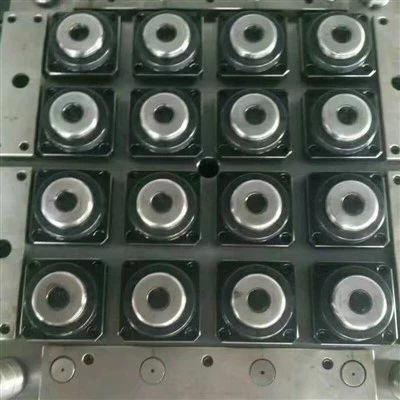
First, let’s start with the most basic question, and the one most people get wrong: what is your bottle actually going to hold? It sounds simple, but this detail shapes every part of your mold, from material to size to production rate. I once had a small craft soda client come to me asking for a standard 500ml PET bottle mold, only to realize later they planned to fill it with carbonated soda, flat fruit juice, and even a line of sparkling seltzers. A standard PET mold works fine for flat juice, but carbonated drinks add internal pressure that pushes against the bottle walls—skip reinforced sidewalls or a specially designed neck finish, and you’ll get bulging bottles on the production line, a headache that leads to thousands in lost inventory. For food and beverage specifically, you also have to consider food-safe resin compliance: FDA standards in the U.S., EFSA in the EU, and GB standards in China. Cheap molds made from low-grade steel can leach chemicals into hot-fill products (think 85°C iced tea or sports drinks) or acidic foods like pickles that eat away at generic mold materials. One of my long-term clients, a specialty sauce brand, switched to our custom PET molds after their old supplier’s mold was leaching trace metals into their hot pepper sauce—costing them a $12,000 product recall and months of damaged reputation. That mistake could’ve been avoided by specifying their product’s temperature and acidity level at the start.
Next, you need to decide on your production scale and timeline, because molds aren’t one-size-fits-all for output. Let’s split this into three common segments to make it easy: small-batch startups, mid-sized growing brands, and large-scale mass producers. Startups, especially those testing a new product line, often don’t need a 96-cavity mold that can produce 100,000 bottles a day. That kind of high-cavity mold is more expensive upfront, requires expensive production equipment (like a large injection molding machine), and has higher maintenance costs. For a startup producing 5,000 bottles a month to sell at local farmers’ markets, a 4-cavity aluminum mold is perfect: it’s 30% cheaper upfront, runs on smaller, more affordable machines, and still produces consistent, high-quality bottles. The tradeoff? Aluminum molds wear down faster, so you’ll need to replace them after about 500,000 cycles—ideal for testing, but not for long-term growth. For mid-sized brands already selling to regional grocery chains, a 12 to 24-cavity mold made from P20 tool steel is the sweet spot: it balances upfront cost (a bit more than aluminum, but worth it) with durability, running up to 2 million cycles before needing major repairs, and it fits most standard injection molding machines. For large national or global brands cranking out millions of bottles a month, you’ll need a mold made from S136 or H13 tool steel, with 48 to 96 cavities, and often a hot runner system. I’ve worked with a major laundry detergent brand that needed 200 million bottles a year for their new eco-liquid line—we built them a 72-cavity H13 mold that runs 24/7, cuts cycle time by 15% compared to older cold runner molds, and has lasted 3 years with minimal downtime. The key here is to be honest about how many bottles you need to make in the first 2 years, not just the first 6 months. I always tell new clients: it’s better to buy a slightly smaller mold that can grow with you, than to overspend on a massive mold that’s underused for half its life.
Then there’s the mold’s core and cavity material, which is a make-or-break choice most people overlook. Core and cavity are the two parts of the mold that form the inside and outside of your bottle, and their material directly impacts quality, cost, and lifespan. Aluminum is the most budget-friendly option, great for low-volume runs, but it’s soft, so it can develop scratches that show up on your bottle’s surface, and it’s prone to corrosion if the resin has high moisture content. P20 tool steel is a workhorse: it’s durable, polishes well (so your bottles get a smooth, professional finish), resists corrosion, and works for most standard resin types (PET, HDPE, PP). It’s affordable enough for mid-sized runs and lasts 1-2 million cycles. S136 is a premium stainless steel, perfect for products that need a perfect, shiny finish (like cosmetic bottles or high-end water bottles) or for hot-fill applications where temperatures reach above 70°C. It’s resistant to chemical corrosion, has a mirror-like polish that eliminates streaks, and lasts up to 5 million cycles, but it’s 40-50% more expensive than P20. H13 is another steel option, harder than P20, ideal for high-cavity molds and extreme production volumes. One thing I always recommend to clients: if you’re using transparent resin (for water bottles, juice), go for a steel mold over aluminum. Aluminum can leave tiny imperfections that cause light refraction, making transparent bottles look cloudy or uneven. I had a client who switched from an aluminum to a P20 mold for their 1L transparent water line, and their product’s shelf appeal jumped so much that their sales increased by 22% in 6 months—something they never expected from a mold choice.
Once you’ve nailed down product type, scale, and core material, it’s time to look at mold features that will save you time and money in production. First, hot runner vs cold runner systems. Cold runner molds use a channel of plastic that’s leftover from each injection, which has to be recycled or thrown away—adding 5-10% to material waste, and increasing cycle time because you have to trim the runner off each bottle. Hot runner molds heat those channels so the plastic stays molten, eliminating runner waste, cutting cycle time by 10-15%, and producing a cleaner bottle that doesn’t need trimming. The downside? Hot runner molds are more expensive upfront, and require regular maintenance of the heating elements. For high-volume runs, the savings from reduced waste and faster production almost always offset the extra cost within 6 months. For small-batch runs, cold runner is still worth it because the lower upfront cost is better for testing. Another key feature is neck finish precision. The neck is where the cap attaches, and a slightly off-sized neck means caps won’t screw on properly, leading to leaks that ruin your product. I test every mold’s neck during our quality checks: we use a cap gauge to ensure it fits the exact cap size you specify, and we add venting channels in the mold to eliminate air bubbles that cause uneven neck thickness. One client told me that before working with us, 8% of their bottles had faulty necks, leading to returns and negative reviews—after switching to our custom molds, that number dropped to 0.2%. Venting is another often-overlooked feature: tiny channels in the mold that let air escape as the plastic is injected, preventing voids, sink marks, or misshapen bottles. Cheap molds often skimp on venting, leading to scrap rates as high as 15% on the production line. Adding proper venting might cost a little extra upfront, but it cuts scrap rates to less than 2%—a huge savings for mid and large-scale producers.
Now, what about supplier reliability? Because even the best mold design is useless if your supplier is late, unresponsive, or builds a mold that doesn’t work when it arrives. As a supplier, I know this from both sides: I’ve had clients tell me horror stories about suppliers that took 6 months to deliver a mold, only for it to not fit their machine, or leak plastic during testing. When choosing a supplier, here’s what to look for: experience with your product type. If you’re making cosmetic bottles, work with a supplier that has a portfolio of cosmetic molds, not just soda bottles. If you’re making hot-fill food bottles, find someone with deep experience in food-safe mold manufacturing, not just general plastic parts. Ask for case studies or references from clients in your industry. Second, ask about quality control processes. A reputable supplier will do mold testing before shipping: they’ll run test cycles, check for defects, verify dimensions, and adjust as needed before sending the mold to you. Cheap suppliers often skip this step, making you pay for mold modifications once it arrives, which adds weeks of delay. Third, ask about after-sales support. Molds need regular maintenance, and if something goes wrong (like a broken pin, or a vent clog), you need a supplier that can help you troubleshoot quickly, or send replacement parts fast. As a supplier, I provide every client with a 12-month warranty on all molds, free troubleshooting support for the life of the mold, and a spare parts kit for common wear items like ejector pins. I also offer on-site training for clients who are new to running plastic bottle molds, so their team knows how to set up, maintain, and repair the mold to keep production running smoothly.
I always tell clients that choosing the right plastic bottle mold isn’t about picking the most expensive one, or the cheapest one—it’s about aligning every detail with your long-term goals. If you’re a startup testing a new product, start small with an aluminum mold and a small cavity count, so you can adjust your design without a huge investment. If you’re a growing brand ready to scale, opt for a P20 steel mold with a hot runner system to cut costs and improve quality. If you’re a large brand needing millions of bottles, go for premium steel and high cavity counts to maximize efficiency. Don’t forget to be transparent about your product’s requirements, production volume, and timeline from the start—hiding details like a hot-fill process or a plan to scale to 1 million bottles a month will only lead to headaches later.
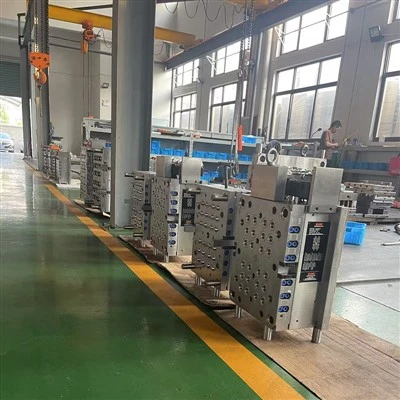
At the end of the day, the plastic bottle mold is the foundation of your product. It’s what makes your bottle look good on the shelf, what keeps your product safe inside, and what determines how much it costs to produce. I’ve seen brands fail because they cut corners on their mold, and I’ve seen brands grow exponentially because they invested in a mold that fit their needs perfectly. If you’re in the market for a plastic bottle mold, or you’re looking to upgrade your current mold and want to make sure you get it right, don’t hesitate to reach out. We’ll work with you to walk through every detail of your product, production goals, and budget to build a mold that works for you, not against you.
Medical Injection Mold References
- Plastic Mold Design and Manufacturing Handbook, Society of Plastics Engineers, 2021
- Food-Grade Plastic Packaging: Materials, Processing, and Applications, Woodhead Publishing, 2019
- Injection Molding Technology: Principles and Practice, Hanser Publications, 2020
- Tool Steel Selection for Plastic Molds, Modern Plastics Guide, 2022
- Quality Control in Plastic Bottle Production, Journal of Packaging Technology and Science, Vol. 35, No. 4, 2022
Taizhou Koni Mould Co., Ltd.
As one of the most professional plastic bottle mold manufacturers and suppliers in China, we also support customized service. Please feel free to wholesale high quality plastic bottle mold made in China here from our factory. For pricelist, contact us now.
Address: No. 97 Jinju Road, Chengjiang Subdistrict, Huangyan District, Taizhou City, Zhejiang Province
E-mail: kn@kenimould.com
WebSite: https://www.kenimouid.com/
