If you’ve ever ordered aluminum tubes for a project—whether it’s for a bike frame part, a heat exchanger for HVAC, or even a custom sign—you might think “aluminum is aluminum, right?” As someone who’s been sourcing and supplying aluminum tubes for over 8 years, I’m here to tell you that’s far from the truth. There are actually some pretty specific things you need to keep in mind when handling these thin, lightweight (but surprisingly tough) tubes, and if you skip them, you could end up with scrap parts, damaged materials, or even safety hazards. Let’s break down what we’ve learned in our warehouse, the mistakes we’ve seen customers make, and the non-negotiables that make a huge difference when working with aluminum tubes. Aluminum Tube
First off, let’s talk about the most obvious but often overlooked detail: aluminum’s reactivity to moisture and oils. I can’t tell you how many times we’ve had a customer send back a batch of 6061 aluminum tubes because they “corroded out of nowhere” a week after delivery. When we inspect them, there’s usually a thin layer of handprints or a smudge of machine oil left on the surface. Aluminum is a soft metal, way softer than steel, so it scratches easily, but those tiny scratches plus residual oils or even a drop of water create a perfect breeding ground for what’s called white rust. White rust isn’t just an eyesore—it weakens the tube’s structural integrity, which is a big deal if you’re using them for load-bearing parts like bike forks or scaffolding. Our team has a rule here: no bare hands touching the tubes. We keep nitrile gloves stocked by every storage rack, and if a tube gets smudged with oil while cutting, we use a mild, aluminum-safe degreaser (not your regular kitchen cleaner—those have phosphates that can strip the oxide layer) to wipe it down before it goes out. It’s a small step, but it’s saved us from hundreds of pounds of scrap.
Next up, storage. Aluminum tubes might not rust like steel, but they’re terrible roommates with other metals. We once had a customer who stored their new aluminum tubes right next to a pile of steel pipes in an unheated garage. By the time they tried to use them, the tubes had developed black streaks from galvanic corrosion. Wait, what’s that? It’s when two different metals come into contact in the presence of moisture, creating a small electric current that eats away at the softer metal (aluminum, in this case). We store all our aluminum tubes on separate racks, elevated off the floor so they never sit in any standing water (even warehouse cleaning spills), and covered with breathable plastic sheeting—not tight plastic, because that traps moisture and leads to the same white rust we talked about earlier. If a customer is picking up their order in person, we tell them to bring their own plastic bins or racks, not just toss them in the back of a truck with random hardware. Even a single steel bolt rolling around in the bed of a pickup can scratch or contaminate a whole stack of tubes.
Handling during cutting and fabrication is another big one. I know a lot of small businesses use budget tube cutters, and it’s tempting to just grab any old tool to cut a tube to length. But aluminum is soft, so if you use a dull blade or a cutter that applies too much pressure, you’ll get “burrs” on the cut edges—tiny, sharp metal shavings that stick out. Those burrs might seem harmless, but they can cut your hands during assembly, or even get caught in a welding or brazing process, leading to weak joints. Worse, if you’re using a saw that produces metal shavings, those tiny aluminum shavings can get mixed in with lubricants or coolant, and since aluminum has a low melting point, they can ignite if they get too hot during cutting. We supply our customers with a free sheet of aluminum-grade sandpaper when we send out orders over 10 feet, just so they can smooth those edges off before they start working. And we always tell them to use a cutting blade made specifically for non-ferrous metals—standard steel blades bind and bend too much, leading to uneven cuts that waste material.
Wait, what about special types of aluminum tubes? Like anodized ones? Anodized tubes have a thick, protective oxide layer, so they’re more resistant to corrosion, but they’re also more brittle. We had a customer once bend an anodized aluminum tube for a curtain rod, and it cracked right at the bend. The issue? They didn’t use a mandrel. A mandrel is a small metal rod you insert inside the tube when bending, which keeps the walls from collapsing or cracking. For non-anodized tubes, you can get away with bending without a mandrel for small angles, but anodized ones are a no-go. We now include a free mandrel tip with every order for customers who regularly bend tubes, just to prevent that kind of mistake. Also, anodized tubes can’t be sanded or scratched too much—even a small scratch will leave a mark that’s impossible to buff out without ruining the finish, so we remind customers not to use rough clamps when holding them during fabrication.
Safety is something we never cut corners on, too. A lot of people don’t realize that aluminum dust is a fire and explosion risk. When you’re cutting or sanding aluminum, those tiny, fine shavings float in the air, and if they build up in a warehouse or shop, a single spark from a welding torch or even a light switch turning on can cause a flash fire. We make sure every customer we work with gets a quick note about dust collection—even a small shop vac with a HEPA filter is enough to keep the dust levels safe. At our own warehouse, we have dust extraction systems near the cutting stations, and we do a weekly deep clean to wipe down all surfaces and sweep up any loose shavings. I’ve seen a small shop burn down because they ignored aluminum dust, so that’s non-negotiable for us as a supplier.
Now, let’s talk about common myths we hear all the time. Some customers say “aluminum doesn’t need lubrication when handling,” which is totally wrong. When you’re threading a tube or bending it, a small amount of aluminum-safe lubricant (not WD-40—WD-40 is a moisture dispersant, not a lubricant for machining) makes the process way smoother and prevents scratches. Another myth: “all aluminum tubes are the same.” We supply 6061, 6063, 5052, and 3003 aluminum tubes, each with their own properties. 6061 is strong, good for load-bearing parts, but it’s less malleable. 6063 is softer, easier to bend, good for decorative parts like railings. If a customer orders 6063 thinking it’s as strong as 6061 for a bike frame, they’re going to have a bad time. That’s why we always ask customers what their project is for before we recommend a tube, and we send a quick spec sheet with every order so they know exactly what they’re working with.
At the end of the day, handling aluminum tubes isn’t rocket science, but it’s about paying attention to the little details that make a huge difference. Whether you’re a small fabricator building custom furniture, a mechanic making bike parts, or a contractor putting together HVAC systems, skipping the steps to protect your aluminum tubes can lead to wasted time, money, and even safety issues. We’ve been in this game long enough to know that the best customers are the ones who ask questions—even if it’s something that seems “obvious” to us.
If you’re working on a project and not sure if you’re handling your aluminum tubes correctly, or if you need help picking the right type for your job, don’t hesitate to reach out. We’re here to answer questions, send free samples, or even give quick tips for storage and fabrication. Let’s make sure your next project goes off without a hitch.
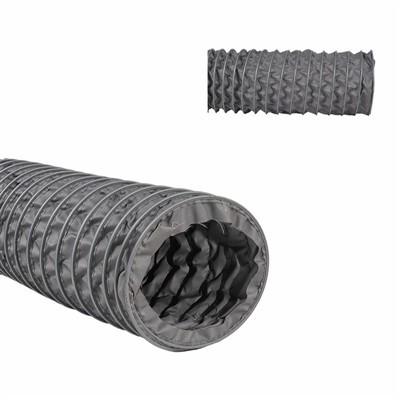
Clip Industrial Fabric Air Duct References
- Aluminum Association. (2021). Aluminum Tube Handling, Storage, and Fabrication Guidelines.
- American Welding Society. (2019). Recommended Practices for Aluminum Welding and Preparation.
- Occupational Safety and Health Administration (OSHA). (2020). Safety Guidelines for Working with Metal Dusts and Fumes.
- MatWeb. (2022). Material Properties of Common Aluminum Tube Alloys.
Dongyang Hstube Co., Ltd.
As one of the leading aluminum tube manufacturers and suppliers in China, we warmly welcome you to wholesale cheap aluminum tube for sale here from our factory. If you have any enquiry about free sample, please feel free to email us. Quality products and reasonable price are available.
Address: NO.5 CHENGDONG ECOLOGICAL INDUSTRIAL ZONE, DONGYANG, ZHEJIANG, CHINA.
E-mail: sales@hstube.com
WebSite: https://www.ductword.com/
