Hey there, it’s Jake from [Your Lift Platform Brand] — been in the lift platform game for 8 years, and I still get questions that make me lean back and say, “Man, that’s the kind of call we’re actually here for.” Yesterday, a small warehouse manager hit me up panicking: “What if my lift platform’s safety sensors crapped out mid-job? I just moved 12 pallets of steel, and the red light on the sensor’s been blinking for 2 days.” That’s not a hypothetical for a lot of folks — and it’s way more than just a “what if” scenario. Let’s break this down like we chat in the break room, no stuffy jargon, no fancy bullet points. Lift Platform
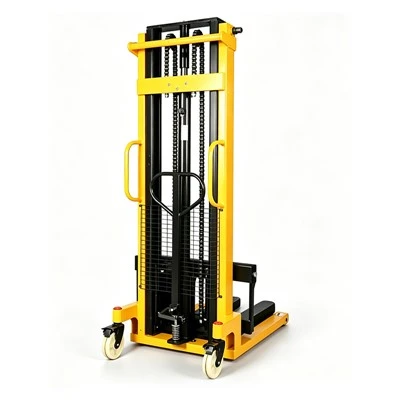
First, let’s cut to what those sensors actually do, because half the time people don’t even know their job beyond “stop bad stuff.” Most lift platforms — especially the industrial ones we supply to warehouses, construction sites, and small businesses — have two key safety sensors: the floor proximity sensor and the object detection sensor. The floor one is the one that makes sure the platform doesn’t drop 3 feet if it’s not perfectly aligned with the loading dock or truck bed. The object one? It’s the thing that stops the platform mid-move if someone’s hand, a pallet leg, or a random pipe gets caught between the platform edge and the frame. They’re not just add-ons — they’re the first line between you and a trip to the ER, or a $10k+ repair bill if the platform slams into something it shouldn’t.
Now, what happens if these sensors aren’t working? Let’s start with the immediate, hands-on stuff. Last year, I got a call from a guy in Phoenix who ran a landscaping company. His lift platform’s object sensor died, and he tried to lift a 50-pound bag of mulch that was hanging off the edge. The platform didn’t stop — it kept going, tore the edge of the platform a little, and the mulch slid off the side. He didn’t get hurt, but he said, “I never thought a broken sensor would mess up my day that bad.” That’s the small-scale stuff, but the industrial stuff hits way harder. Imagine a warehouse lifting 2,000-pound pallets of electronics. No floor sensor means if the dock gets warped a little from rain, the platform drops the 2,000 pounds 2 feet. No object sensor means a worker kneeling to tie a tarp on the pallet gets trapped between the platform and the frame — worst case, that’s a broken arm, or worse.
Wait, but why do sensors stop working anyway? It’s not usually a big, loud breakdown. Most of the time, it’s tiny, avoidable stuff. Dirt, dust, and grime — we supply industrial lift platforms, and let’s be real, nobody’s got time to scrub the sensors every week. That dust coats the lens on the object sensor so it can’t “see” the gap between the pallet and the platform. Loose wiring from heavy vibrations — if you’re running the platform 10 times a day, the wires that connect the sensor to the control panel wiggle loose over time, and suddenly the sensor’s not sending a signal. Or sometimes, it’s human error: a worker leans on the control panel, accidentally turns the sensor feature off to “get the job done faster,” and forgets to turn it back on. That’s the most common “sensor not working” story I hear — not a part breaking, just someone cutting corners.
Now, the big question: what do you actually do right now, before you call a service tech? Let’s walk through the steps I tell every customer when they text at 7 a.m. panicking. First, don’t touch the control panel’s safety settings yet — we’ve seen guys mess with the sensor calibration and make it worse. Second, do a quick visual check: wipe the lens of both sensors with a clean rag (no oil, no solvent — just a dry cloth, even a paper towel works). Look for loose wires on the back of the sensor units — sometimes a tug is all it takes to re-seat them. If that doesn’t work, test the basic function: lower the platform all the way, then lift it 6 inches. If it doesn’t stop when you wave your hand in front of the object sensor, that’s a clear sign it’s not sending a signal. If it stops when you lower it, that’s the floor sensor still working, so you can still use it for low-risk jobs — just don’t go higher than your waist, and only move empty pallets until you get it fixed.
But wait, what if you ignore it? Let’s be straight about the consequences, because I don’t sugarcoat this. First, OSHA rules — if you’re running a commercial lift platform and the safety sensors are out, that’s a $15k+ fine for the first violation. We’ve had a couple of customers learn that the hard way; they tried to “push through” a busy holiday season, got hit with a fine, and it set their timeline back 3 months. Second, liability: if someone gets hurt because the sensors aren’t working, you’re on the hook for way more than a repair bill. That’s lawsuits, worker’s comp, lost time — it’s not worth it. Third, equipment damage: even small hits add up. If the platform slams into the frame once, that bends the rails; twice, and you have to replace the entire lift mechanism, which is half the cost of a new platform.
Now, the part that matters to me — since I’m on the supplier side, but not the “sell you a $10k platform every time” kind. We don’t just sell you lift platforms and ghost you. Here’s what we actually do for our customers when their sensors break. First, we send a troubleshooting guide over text — not a 50-page PDF, a 1-page list of steps that takes 5 minutes to do. Last month, a customer in Chicago fixed his sensor in 10 minutes with the guide we sent. If that doesn’t work, we have local techs on call 7 days a week — no waiting 3 days for someone to show up, which is a big deal when you’ve got a warehouse schedule to keep. And here’s the thing: we don’t push for new parts unless you actually need them. A lot of the time, it’s just a $5 sensor lens cover that costs less than a takeout pizza, not a $500 replacement sensor.
I talk to small business owners all the time who think “safety sensors are a luxury” — that’s the wrong way to look at it. They’re the insurance for your business, your equipment, and your people. The “what if” isn’t just a hypothetical; it’s the exact scenario that makes a supplier worth their salt. We don’t just sell you a machine — we give you the steps to fix it fast, the support when things go sideways, and the gear that’s built to handle real-world mess, not just showroom floors.
If you’re reading this and your lift platform’s sensor is blinking, or you had that close call last week, don’t wait until something goes wrong. Shoot us a message, hop on a call, whatever works for you. We don’t do pushy sales pitches — we listen to what you actually need, whether that’s a replacement sensor, a quick check-up, or even just advice on how to keep those sensors clean in between jobs. This is the stuff we’re good at, and it’s why we’ve been around as long as we have.
At the end of the day, the “what if” doesn’t have to be a disaster. It just needs the right people to help you work through it. Don’t take chances with your lift platform — reach out, and we’ll get you sorted.
Manual Stacker References:
- Occupational Safety and Health Administration. (2022). Safety Requirements for Mobile Lift Platforms.
- National Association of Warehouse Managers. (2023). Common Maintenance Issues for Industrial Lift Platforms.
- Equipment Safety Institute. (2021). Sensor Failure Risks in Material Handling Equipment.
Huazheng Heavy Industry Machinery Equipment Co., Ltd.
With abundant experience, we are one of the most professional lift platform manufacturers and suppliers in China. Please feel free to buy high quality lift platform for sale here from our factory. We also accept customized orders.
Address: Room 423-101, Building C-4, Electronics Valley Technology Center, No.3088 Lekai North Street, Gaokai District, Baoding City, Hebei Province, China
E-mail: sales02@hzheavy.com
WebSite: https://www.hzheavy.com/
