As a seasoned supplier of aero engine components, I’ve had the privilege of working closely with both civil and military aviation sectors. Over the years, I’ve witnessed firsthand the stark differences between civil and military aero engine components. These differences stem from the unique requirements, operational environments, and performance expectations of each sector. In this blog, I’ll delve into these disparities, shedding light on what sets these components apart. Aero Engine Components
Design and Performance Requirements
One of the most significant differences between civil and military aero engine components lies in their design and performance requirements. Civil aero engines are primarily designed for commercial air travel, where safety, reliability, and fuel efficiency are of utmost importance. Airlines operate on tight schedules and need engines that can provide consistent performance over long periods. As a result, civil engine components are engineered to minimize maintenance requirements and maximize fuel economy.
For example, civil engines often feature high – bypass ratio designs. The high – bypass ratio means that a large portion of the air flowing through the engine bypasses the core, providing thrust more efficiently. Components such as the fan blades in these engines are designed to be large and lightweight, reducing the overall weight of the engine and improving fuel efficiency. Additionally, civil engines are designed to operate quietly, as noise pollution is a major concern in commercial aviation.
On the other hand, military aero engines are designed for combat and other military operations. Performance, speed, and maneuverability are the top priorities. Military engines need to be able to provide high thrust quickly, allowing fighter jets to take off from short runways and engage in high – speed maneuvers. Components in military engines are built to withstand extreme conditions, such as high temperatures and pressures during supersonic flight.
Military engines often have a lower bypass ratio compared to civil engines. This design allows for more air to pass through the engine’s core, generating higher thrust. The compressor and turbine blades in military engines are made from advanced materials that can withstand the intense heat and stress of high – performance flight. These components are also designed to be more robust and resistant to damage from foreign object ingestion, as military aircraft often operate in harsh environments.
Material Selection
The choice of materials for aero engine components is another area where civil and military applications diverge. In civil aero engines, cost – effectiveness and long – term durability are key considerations. Components are typically made from materials that offer a good balance between strength, weight, and cost. For instance, titanium alloys are commonly used in civil engine components such as fan blades and compressor discs. Titanium is lightweight, strong, and corrosion – resistant, making it an ideal material for these applications.
Aluminum alloys are also used in civil engines, especially in areas where weight reduction is critical. These alloys are relatively inexpensive and can be easily machined, which helps to keep production costs down. Composite materials are increasingly being used in civil engines, particularly in the construction of fan blades. Composites offer high strength – to – weight ratios and can be designed to have specific properties, such as reduced noise and vibration.
In military aero engines, the focus is on high – performance materials that can withstand extreme conditions. Superalloys, such as nickel – based alloys, are widely used in military engine components. These alloys have excellent high – temperature strength, creep resistance, and corrosion resistance, making them suitable for use in the hot sections of the engine, such as the turbine blades and combustion chambers.
Ceramic matrix composites (CMCs) are also being explored for use in military engines. CMCs offer high strength at high temperatures and are lighter than traditional metal alloys. This makes them ideal for components that need to operate in extremely hot environments, such as the turbine vanes. However, the production of CMCs is more complex and expensive compared to traditional materials, which limits their use in civil applications.
Manufacturing Processes
The manufacturing processes for civil and military aero engine components also differ significantly. Civil engine components are often produced in large quantities to meet the high demand of the commercial aviation industry. As a result, manufacturers focus on efficient and cost – effective production methods. Mass production techniques, such as casting, forging, and machining, are commonly used to produce civil engine components.
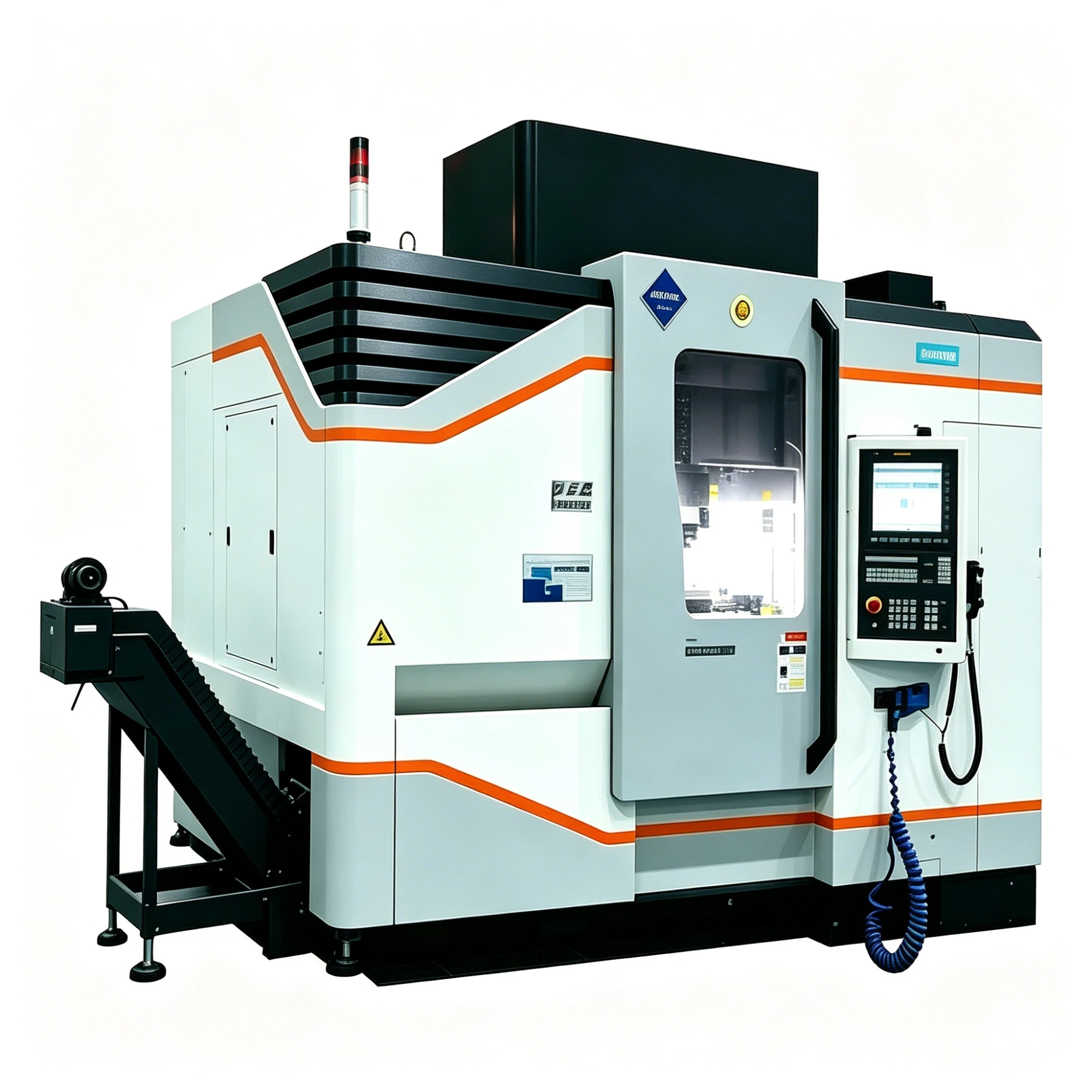
Automation plays a crucial role in the manufacturing of civil engine components. Computer – numerical – control (CNC) machines are used to precisely machine components, ensuring high levels of accuracy and repeatability. This helps to reduce production costs and improve the quality of the components. Additionally, advanced manufacturing technologies, such as additive manufacturing (3D printing), are being increasingly adopted in the production of civil engine components. 3D printing allows for the production of complex geometries that would be difficult or impossible to achieve using traditional manufacturing methods.
Military engine components, on the other hand, are often produced in smaller quantities due to the specialized nature of military applications. The manufacturing processes for military components are more focused on precision and quality control. Each component undergoes rigorous testing and inspection to ensure that it meets the strict performance requirements of the military.
In some cases, military engine components are produced using more traditional manufacturing methods, such as hand – finishing and manual machining. This is because the high – performance requirements of military engines often demand a high level of craftsmanship. Additionally, the use of advanced materials in military engines requires specialized manufacturing techniques. For example, the production of CMC components involves complex processes such as chemical vapor infiltration and high – temperature sintering.
Maintenance and Support
Maintenance and support are also areas where civil and military aero engine components differ. Civil airlines operate on tight schedules and need to minimize downtime. As a result, civil engine components are designed to be easily maintainable. Modular design concepts are often used, allowing for quick replacement of individual components. Airlines also rely on predictive maintenance techniques, such as condition monitoring and data analytics, to detect potential problems before they cause engine failures.
In addition, civil engine manufacturers provide comprehensive maintenance and support services to airlines. These services include engine overhauls, spare parts supply, and technical support. The goal is to ensure that the engines are kept in optimal condition and that any issues are resolved quickly.
Military aircraft operate in a different environment. Maintenance and support for military engines are often more complex and challenging. Military engines are subject to more severe operating conditions, which can lead to increased wear and tear. As a result, military engines require more frequent maintenance and inspections.
Military maintenance teams are trained to perform complex repairs and overhauls in the field. They also need to be able to adapt to changing operational requirements. In addition, the military often has its own supply chain for spare parts, which is designed to ensure that critical components are available when needed.
Certification and Regulatory Requirements
Certification and regulatory requirements are another area where civil and military aero engine components differ. Civil aero engines are subject to strict certification processes by regulatory authorities such as the Federal Aviation Administration (FAA) in the United States and the European Union Aviation Safety Agency (EASA). These certifications ensure that the engines meet safety, performance, and environmental standards.
The certification process for civil engines is extensive and involves rigorous testing and evaluation. Manufacturers need to provide detailed documentation on the design, manufacturing, and performance of the engines. This documentation is reviewed by the regulatory authorities to ensure that the engines meet all the requirements.
Military aero engines, on the other hand, are subject to military – specific regulations and standards. These standards are often more focused on performance and reliability in combat situations. The military has its own testing and evaluation procedures to ensure that the engines meet the requirements of military operations.
Conclusion
In conclusion, the differences between civil and military aero engine components are significant and stem from the unique requirements of each sector. Civil components are designed for safety, reliability, and fuel efficiency, while military components are focused on high – performance, speed, and maneuverability. Material selection, manufacturing processes, maintenance, and regulatory requirements also vary between the two sectors.
Artificial Heart Parts As a supplier of aero engine components, I understand the importance of meeting the specific needs of both civil and military customers. Whether you’re in the commercial aviation industry or the military, I’m committed to providing high – quality components that meet your requirements. If you’re interested in discussing your aero engine component needs, I’d be more than happy to engage in a procurement discussion.
References
- Rolls – Royce. (2023). Aero Engine Technology.
- Pratt & Whitney. (2023). Military Aero Engines: Performance and Innovation.
- General Electric Aviation. (2023). Civil Aero Engine Solutions.
Jiangsu Zhengfang Dynamics Technology Co., Ltd.
As one of the most professional aero engine components manufacturers and suppliers in China, we’re featured by quality products and good price. Please rest assured to buy customized aero engine components made in China here from our factory. Contact us for pricelist.
Address: Building 3, No. 69 Feitian Avenue, Jiangning District, Nanjing City, Jiangsu Province
E-mail: hanks.liu@zfdynamics.com
WebSite: https://www.zhengfangdongli.com/
